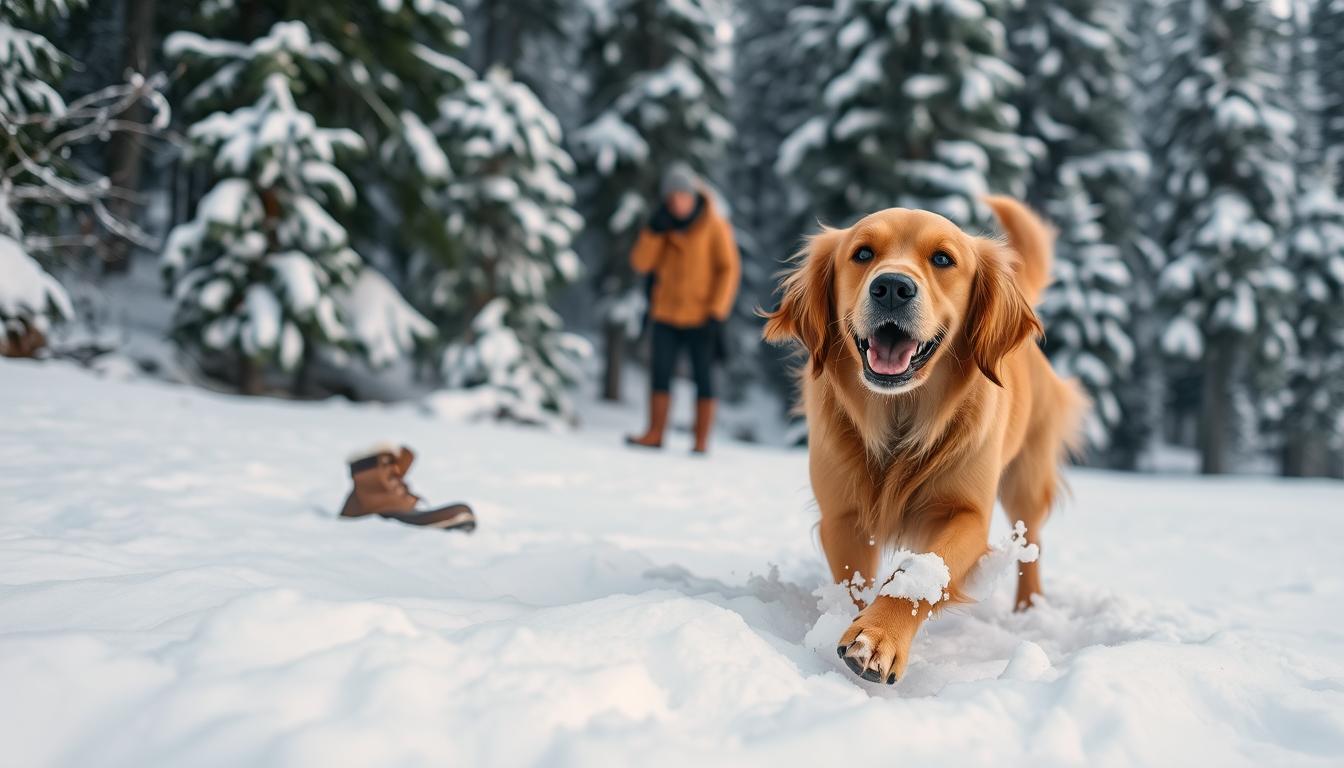
Traveling with your pet can be a wonderful experience, like exploring new snowy landscapes. But, it’s key to ensure your dog’s comfort and safety on these trips.
When you’re planning a snowy trip with your dog, getting them ready is crucial. This means gradual exposure to cold weather and familiarizing them with snow. This way, you can make their experience positive and fun.
Key Takeaways
- Prepare your dog for cold weather before traveling to snowy destinations.
- Gradually introduce your dog to snow to avoid stress.
- Ensure your dog’s safety with proper gear and supervision.
- Make the experience enjoyable with positive reinforcement.
- Plan ahead to make your dog’s first snow experience memorable.
Understanding Your Dog’s Reaction to Snow
It’s important to know how your dog reacts to snow for a fun winter. Dogs can have different reactions to snow, based on many factors.
Breed-Specific Considerations for Snow Tolerance
Some dog breeds handle cold and snow better than others. Breeds like Siberian Huskies and Alaskan Malamutes are built for cold. They have thick coats that keep them warm.
But, dogs with short hair or from warm places might feel the cold more. They need extra care when it snows.
Age and Health Factors Affecting Cold Sensitivity
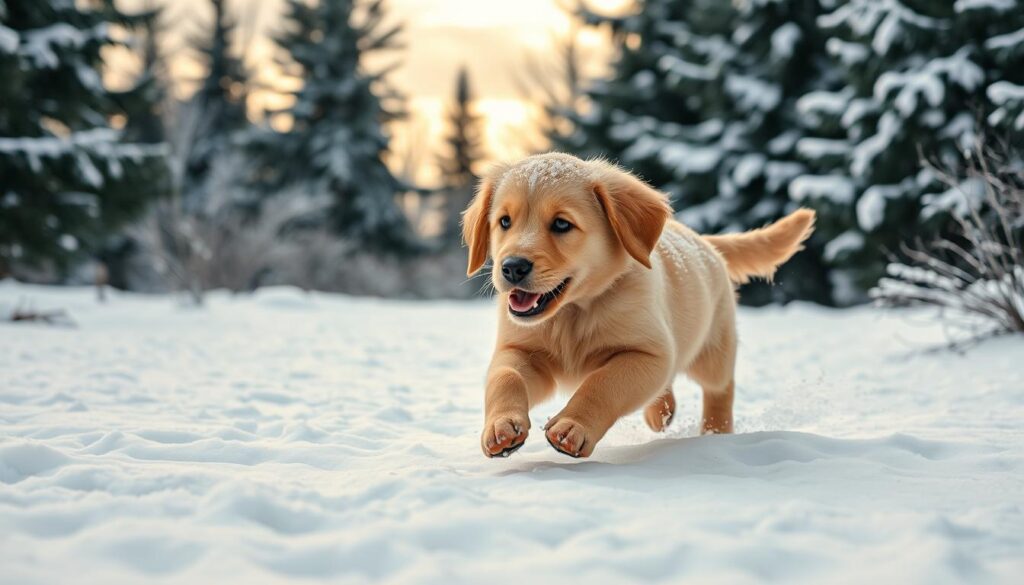
A dog’s age and health can affect how cold they can handle. Puppies, older dogs, and those with health issues might get cold faster. Think about these when planning winter fun with your dog.
Previous Experience with Cold Weather and Ice
Dogs that enjoy cold and snow will likely be okay in it. But, dogs that don’t like cold or haven’t seen snow before might need a slow introduction.
Natural Instincts and Sensory Responses to Snow
Dogs see and feel the world in their own way. Snow can be exciting and scary for them. It’s important to understand and respect their natural reactions to snow.
Preparing Your Dog for Winter Travel
Traveling with dogs in winter needs careful planning. This ensures your pet stays healthy and happy. Several steps can make your snowy trip comfortable and safe for your dog.
Pre-Trip Veterinary Check and Health Clearance
Get a pre-trip vet check before your winter trip. This visit makes sure your dog is healthy for travel. It also gives them any needed vaccinations or cold weather care tips.
Conditioning Exercises for Cold Weather Acclimation
Start conditioning exercises a few weeks before your trip. This helps your dog get used to cold temperatures. Take them on longer walks on chilly days to increase their cold exposure.
Packing Essentials for Snowy Destinations
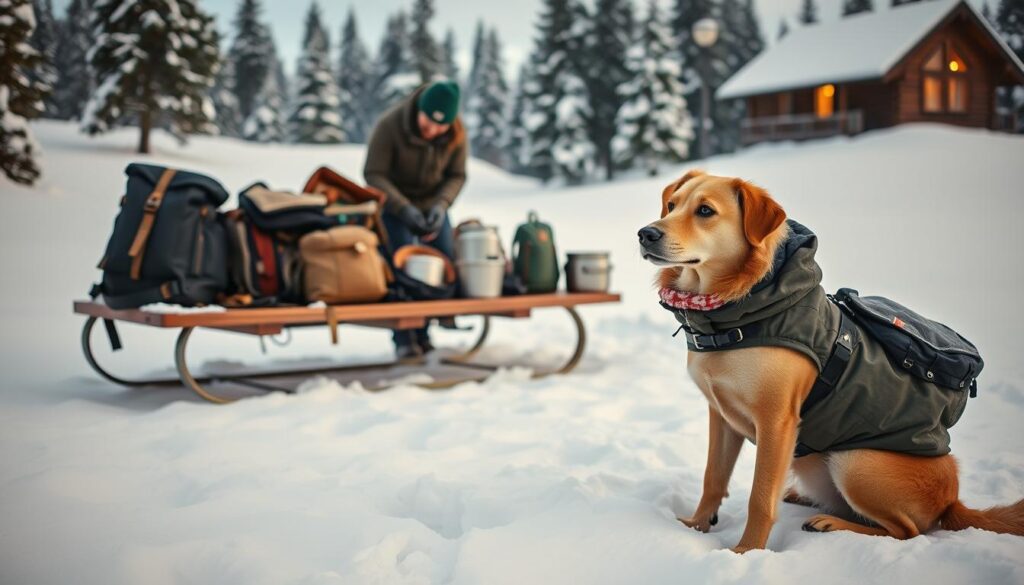
Packing the right gear is key for a comfortable winter trip. You’ll need a warm coat, booties for their paws, and a portable warming solution for travel.
| Essential Item | Purpose |
|---|---|
| Warm Coat | Keeps your dog warm in cold weather |
| Booties | Protects your dog’s paws from ice and salt |
| Portable Warming Solution | Provides warmth during travel |
Travel Crate or Carrier Winterization Tips
Winterizing your dog’s travel crate or carrier is important. Make sure it’s well-insulated. Add a warm blanket to keep your dog cozy during the journey.
By following these steps, you can ensure your dog is ready for winter travel. This makes your snowy adventure fun for both of you.
Essential Winter Gear for Your Canine Companion
When you’re getting ready to travel with your dog in winter, the right gear is key. The cold can be tough on dogs, leading to discomfort, injuries, or health problems. The right winter gear can greatly improve their travel experience.
Protective Booties and Paw Care Products
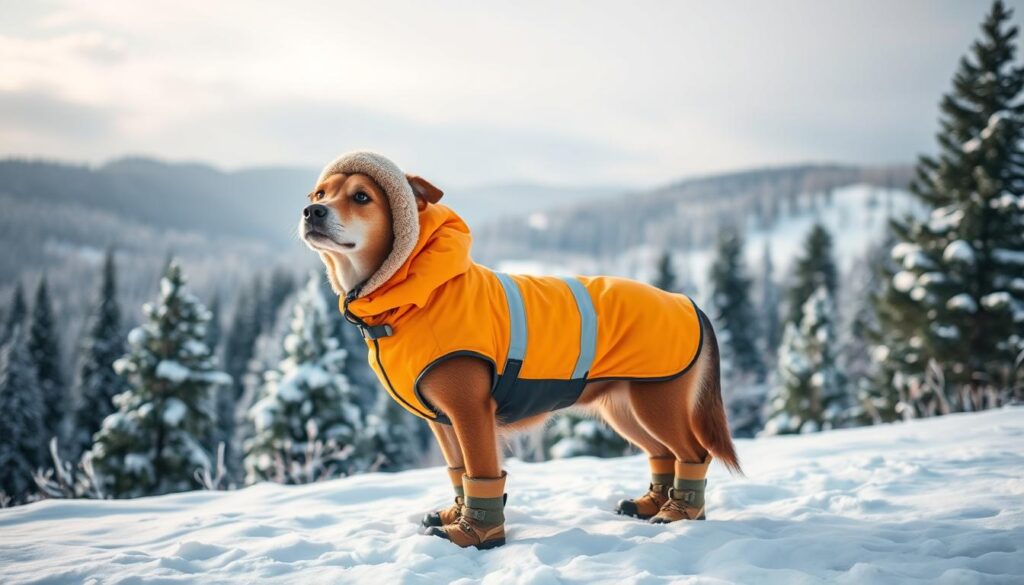
Protective booties are a must for dogs going to snowy or icy places. They protect your dog’s paws from ice, salt, and cold. Make sure they fit well and are made of durable, waterproof materials. Also, use paw care products like balms or waxes to keep their paws moisturized and protected.
Insulated Coats and Sweaters for Different Activities
Dogs need the right clothes for winter just like we do. Insulated coats and sweaters keep them warm during outdoor fun. Choose based on the activity and temperature. A light sweater might do for a short walk, but a thicker coat is better for longer, colder activities.
Reflective and Visibility Accessories for Short Winter Days
Short winter days mean less light, making it key to make your dog more visible. Reflective accessories like collars, leashes, or vests help drivers see them better. They’re very important for walks in the early morning or evening when it’s dark.
Portable Warming Solutions for Travel
For dogs that get cold easily, portable warming solutions are a big help. Items like portable heated beds or mats can be used in your car or hotel room. They provide a warm spot for your dog to relax, helping prevent cold stress and discomfort.
How to Introduce Your Dog to Snow Gently During Travel
Dogs can love snow, but it’s important to introduce them gently. When you travel to snowy places, think about your dog’s comfort and safety first.
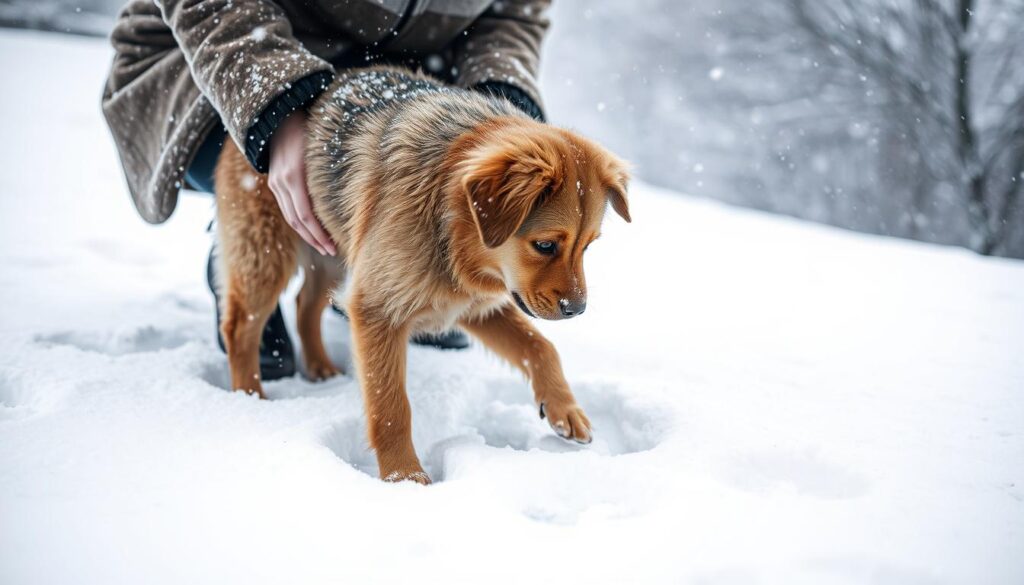
First Contact Techniques in Shallow Snow
Start by letting your dog explore shallow snow at their own pace. This helps them get used to the cold, wet feeling without feeling scared. Keep the first few interactions short and positive to help them feel confident.
Positive Reinforcement Methods for Snow Exploration
Use treats and praise to encourage your dog as they explore the snow. Positive reinforcement makes the experience fun and rewarding. It helps your dog associate the snow with good things.
| Activity | Benefits | Tips |
|---|---|---|
| Short Walks | Builds confidence, gets dog accustomed to cold | Start with very short walks, gradually increase duration |
| Playtime | Makes experience enjoyable, encourages exploration | Use favorite toys, engage in play to make it fun |
| Sniffing Exercises | Stimulates senses, provides mental stimulation | Allow dog to sniff at their own pace, explore new scents |
Creating Comfortable Snow Experiences at Vacation Destinations
At vacation spots, make sure your dog has a warm, comfy place to rest after playing in the snow. Watch their behavior and adjust activities to keep them comfortable.
Gradual Exposure Timeline for Snow-Sensitive Dogs
For dogs that don’t like the snow, start slow. Begin with short times in the snow and gradually increase it. Always watch for signs of discomfort.
By following these tips, you can make sure your dog enjoys the snow. This will make your winter trips fun for everyone.
Recognizing Signs of Cold Stress and Discomfort
It’s important to know the signs of cold stress in dogs for a fun winter. As a dog owner, watching how your dog reacts to cold is key. This can help avoid serious health problems.
Physical Indicators of Cold Intolerance to Watch For
Some dogs show physical signs when it’s too cold. Look for shivering, whining, or frostbite on their paws or tail. Keep an eye on your dog’s body language and behavior in the cold.
The American Kennel Club says dogs can get hypothermia and frostbite like humans. Hypothermia happens when a dog’s body temperature falls below 95°F (35°C). It’s important to spot early signs to avoid severe cases.
Behavioral Changes in Cold Weather Environments
Dogs may act differently in cold weather. They might show reluctance to move, anxiety, or seek shelter. Paying attention to these changes helps keep your dog happy and safe.
When to Head Back Indoors or to Your Vehicle
Knowing when to stop cold weather exposure is key. If you see signs of cold stress, go back inside or to your car. Limiting time outside can prevent serious health problems like hypothermia and frostbite.
Emergency Response for Cold-Related Issues
If your dog shows severe cold stress signs, act fast. Use blankets or a warm water bottle to warm them up slowly. If symptoms don’t improve, get vet help.
The ASPCA advises to seek vet care right away if you think your dog has hypothermia or frostbite. Being ready for emergencies is crucial for your dog’s safety in winter.
Safe and Fun Snow Activities for Dogs
Snowy landscapes are a unique playground for dogs. It’s important to ensure their safety and fun. The right snow activities can make your dog’s winter travel memorable for both of you.
Gentle Play Ideas for Snow Beginners
For dogs new to snow, gentle play is key. Start with short walks in shallow snow. This lets them get used to the cold and snow under their paws.
You can also hide treats in the snow for them to find. This encourages exploration without too much effort.
Building Confidence Through Interactive Snow Games
When your dog is comfortable with the snow, try more interactive games. Playing fetch in the snow is a great way to build confidence and get some exercise. Creating a mini snow obstacle course is also fun and challenging.
Exercise Limitations in Cold Conditions
While snow activities are fun, remember the cold can limit exercise. Short-nosed breeds, older dogs, and those with health issues may need to stay inside more. Always watch your dog’s behavior and health, adjusting activities as needed.
Adapting Familiar Games to Snowy Settings
Adapting games you already play with your dog to the snow can be fun. For example, “hide and seek” can be played by hiding in the snow. “Tug-of-war” can be played with a rope toy in the snow. This keeps your dog’s mind active and strengthens your bond.
| Activity | Suitability for Beginners | Exercise Level |
|---|---|---|
| Short Walks | High | Low |
| Fetch in Snow | Medium | High |
| Hide and Seek | High | Medium |
| Snow Obstacle Course | Low | High |
Managing Unexpected Challenges in Snowy Environments
Even with the best plans, snowy trips with your dog can still surprise you. It’s key to know how to tackle these surprises to keep your dog safe and comfy.
Dealing with Ice Between Paw Pads During Outings
Ice between your dog’s paw pads is a common problem in the snow. It can hurt and even injure them. Check your dog’s paws often and remove ice or snow. Using paw wax or protective booties can also stop ice from sticking.
Handling Snow-Related Anxiety and Stress
Some dogs get anxious or stressed in the snow because of the new sights and sounds. To help, stay calm and reassuring. Use positive reinforcement techniques like treats and praise for calm behavior.
Navigating Deep Snow Safely with Small or Large Dogs
Deep snow is tough for all dogs, big or small. Small dogs might need a doggy coat or sweater to stay warm. Large dogs should be careful not to get too tired. Always watch your dog and adjust your plans as needed.
Finding Dog-Friendly Indoor Alternatives During Extreme Weather
On very cold or snowy days, it’s smart to have indoor places for fun. You could go to indoor dog parks or play at home. Look up pet-friendly spots in your area before you need them.
Being ready for these surprises makes snow trips better for you and your dog. Follow these dog snow travel tips to keep your furry friend happy and safe all winter.
Accommodation Considerations for Winter Travel with Dogs
Choosing the right place to stay is key to your dog’s comfort in winter. It’s important to pick a place that meets your pet’s needs when traveling in the snow.
Selecting Pet-Friendly Winter Lodging Options
Look for hotels or vacation rentals that welcome pets. They should offer dog beds or pet-sitting services. Some hotels even have special dog packages with treats and toys. Always check the pet policy before booking to make sure it fits your dog’s needs.
Creating a Warm Sleeping Area in Hotel Rooms
Once you arrive, make a cozy sleeping spot for your dog. Bring a familiar blanket or bed from home. Consider the room’s temperature and adjust it to keep your dog comfortable.
Managing Wet Gear in Temporary Accommodations
After a snowy adventure, your dog’s gear might get wet. Bring a towel or mat to dry off your dog’s paws and coat. Some hotels offer drying facilities or pet grooming services, which can be very helpful.
Maintaining Routine in Unfamiliar Winter Settings
Keeping your dog’s routine is key in new places. Stick to their regular feeding and exercise schedule as much as you can. This consistency can help reduce stress and make the trip more enjoyable.
| Tip | Description |
|---|---|
| Bring Familiar Items | Pack your dog’s favorite toys and blankets to provide comfort in new environments. |
| Check Pet Policies | Always verify the pet policy of your accommodation before arrival. |
| Maintain Routine | Stick to your dog’s regular feeding and exercise schedule. |
By considering these factors, you can ensure a comfortable and enjoyable winter travel experience for both you and your dog.
Conclusion: Creating Positive Winter Travel Memories with Your Dog
Traveling with dogs in winter can be a wonderful adventure. It’s filled with joy and happy memories. By introducing your dog to snow gently, you can make a fun and memorable experience for both of you.
Careful planning, patience, and a willingness to adapt to your dog’s needs are key for a successful winter trip. With the right approach, your dog can feel comfortable and safe in snowy environments.
As you plan your winter travels with your dog, remember to consider their unique needs and personality traits. This way, you can create a positive and enjoyable experience for both you and your canine companion.