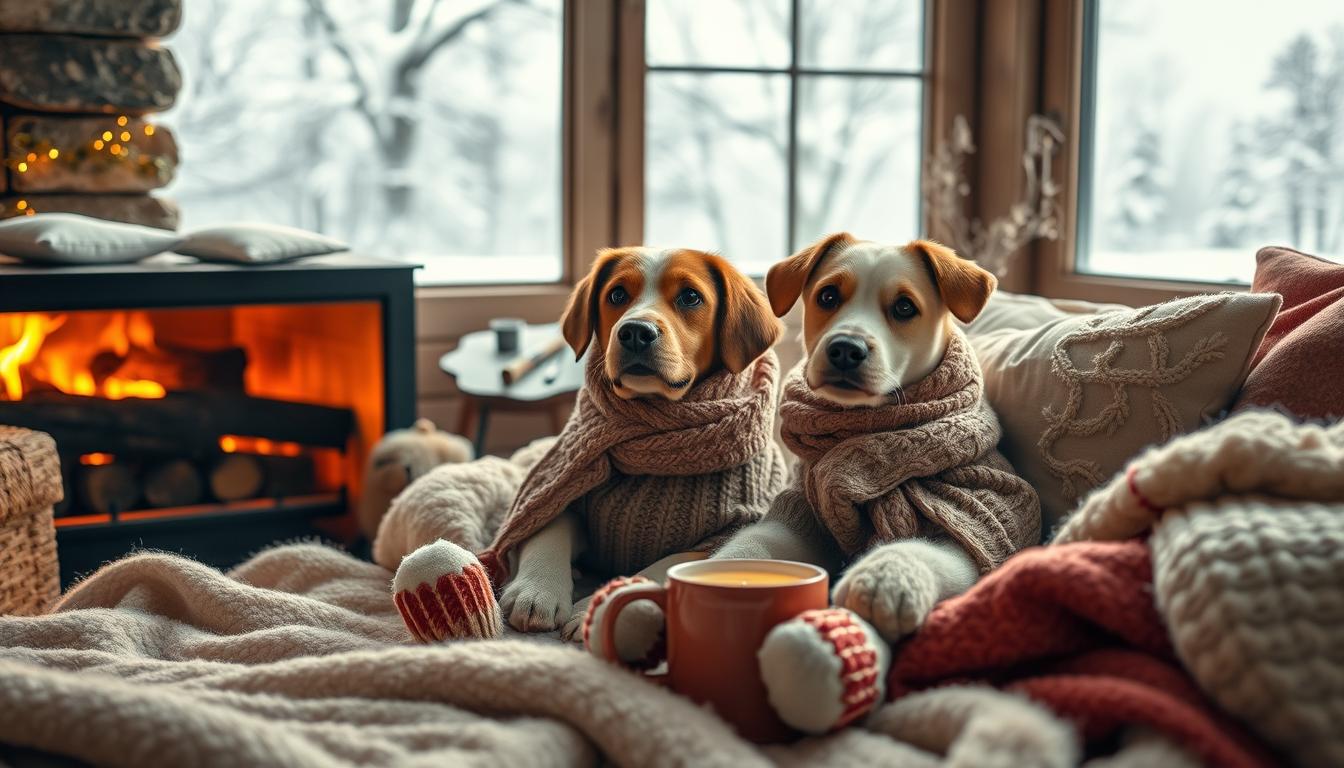
When it gets colder, taking your furry friend on a winter trip can be exciting. But, it’s important to make sure they stay warm and happy. This is key for their health and happiness.
Cold weather can be tough on dogs, even more so when traveling. You need to protect them from the cold. With the right steps and knowledge, your winter trip with your dog can be great.
Key Takeaways
- Prepare your dog for winter travel
- Understand the risks associated with cold weather
- Learn tips for keeping your dog warm and comfortable
- Discover the best gear for winter dog care
- Plan a safe and enjoyable winter trip with your pet
Understanding Your Dog’s Cold Tolerance
As winter gets closer, it’s important to know how cold weather affects your dog. Different dogs handle cold differently. This depends on their breed, age, and health.
Breed-Specific Cold Sensitivity
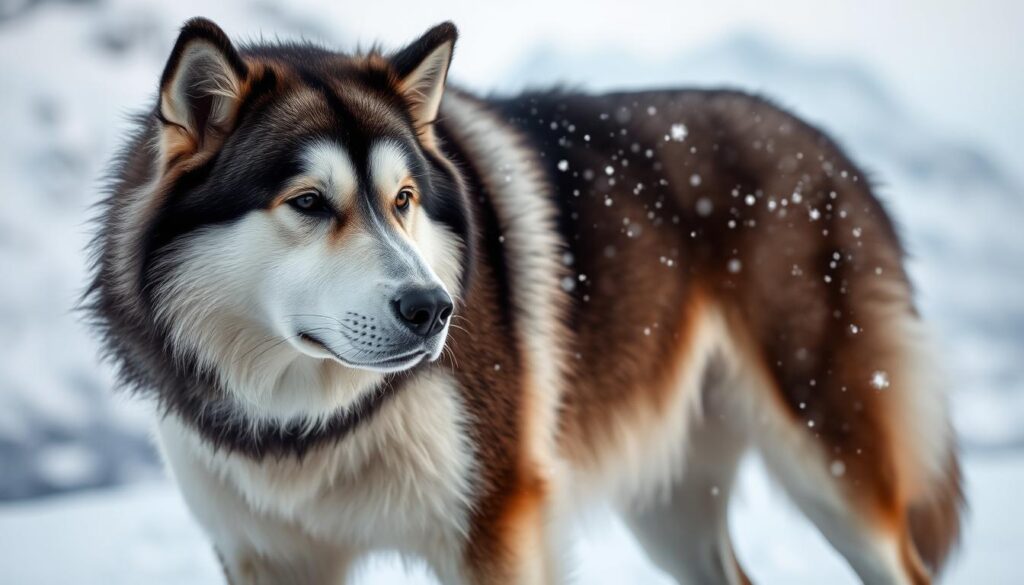
Some dog breeds are better at handling cold than others. For example, Siberian Huskies and Alaskan Malamutes have thick coats. They can handle cold better. On the other hand, short-haired breeds like Chihuahuas and Greyhounds might feel the cold more.
Age and Health Factors
A dog’s age and health also affect how they handle cold. Puppies, older dogs, and dogs with health issues might get cold faster. For example, dogs with arthritis might find cold weather worse.
Signs Your Dog Is Getting Too Cold
It’s key to know when your dog is too cold. Look for signs like shivering, whining, or not wanting to move. If you see these, it’s time to warm them up. Some signs include:
- Shivering or trembling
- Whining or acting uncomfortable
- Lifting paws off the ground
- Seeking warmth or shelter
Preparing Your Dog for Winter Travel
Before you travel with your dog in winter, make sure they’re ready. A well-prepared dog is safer and healthier on the trip.
Pre-Trip Veterinary Check
A pre-trip vet check is key to your dog’s health. Your vet can give advice for your dog’s needs, like shots or meds. It’s crucial for dogs with health issues.
Conditioning Your Dog for Cold Weather
Dog conditioning for cold means getting them used to the cold. Start with short walks in cooler weather and increase the time. This builds their cold tolerance.
Dietary Adjustments for Winter Trips
For dietary adjustments for winter travel, talk to your vet. They might suggest more food to keep your dog warm.
Microchipping and ID Considerations
Having the right pet identification is important, more so when traveling. Make sure your dog’s microchip info is current. Also, add a temporary ID tag with your contact info.
Essential Winter Gear for Your Canine Companion
The right winter gear can make a big difference in your dog’s comfort and safety. As a dog owner, it’s key to know the different types of gear. This keeps your pet warm and safe.
Dog Coats and Jackets: Materials and Fit
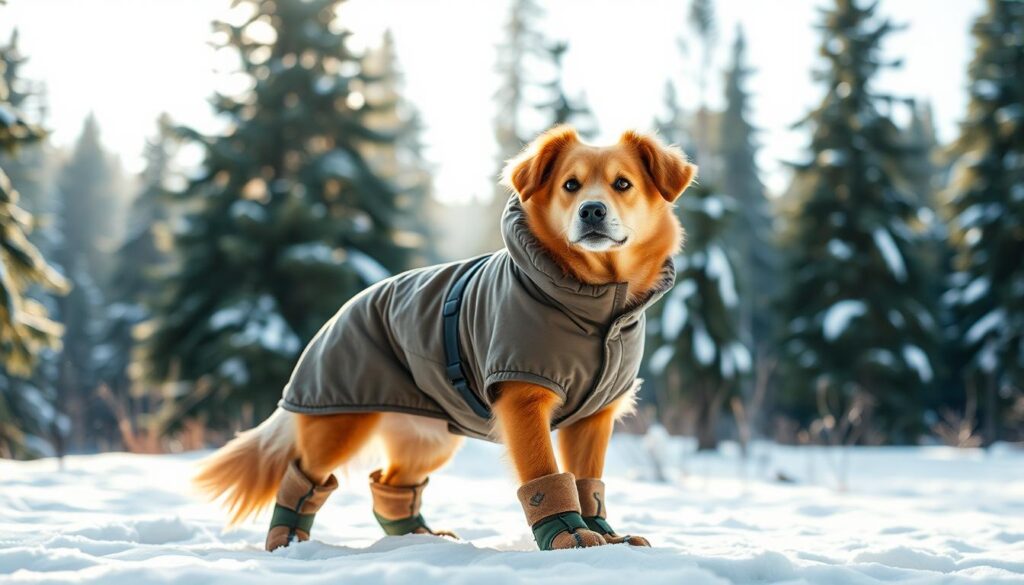
Dog coats and jackets are a must for winter. Choose materials that are both waterproof and breathable, like nylon or polyester. The coat should fit well, covering the back and chest without limiting movement. Brands like Ruffwear and Hurtta are popular choices.
Paw Protection: Booties and Balms
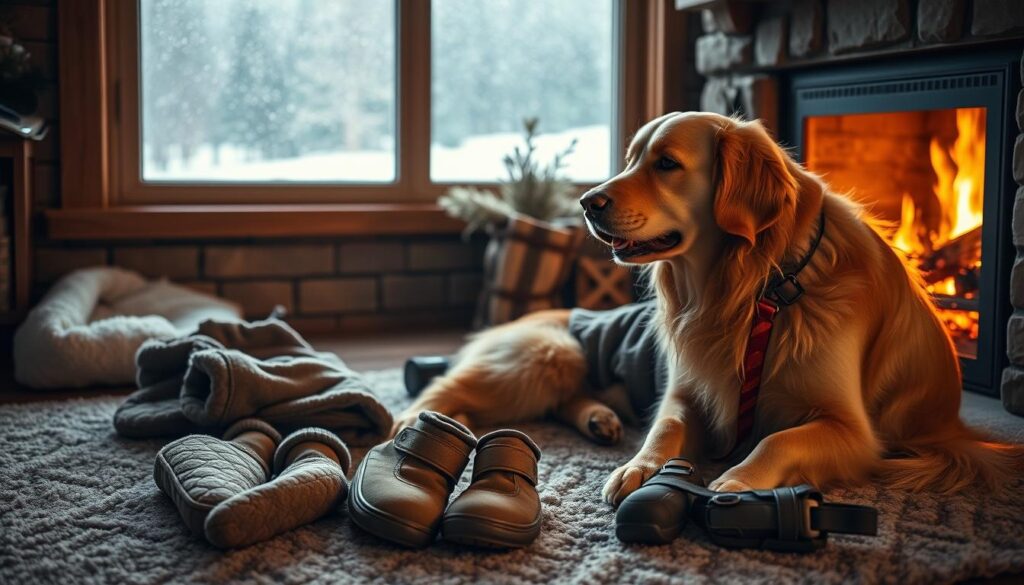
Protecting your dog’s paws is crucial during winter walks. Booties shield paws from salt and ice. Balms moisturize and heal dry, cracked paws. Muttluks are great for booties, and Musher’s Secret is excellent for balms.
Insulated Bedding Options
It’s important to provide a warm, comfy place for your dog to sleep. Insulated dog beds, such as those from Big Barker, are great. Heated dog beds offer even more warmth.
Warming Accessories and Heated Gear
Warming accessories like heated mats and self-warming beds are lifesavers in extreme cold. They provide steady warmth without the risk of overheating.
| Product | Features | Benefits |
|---|---|---|
| Ruffwear Coat | Waterproof, breathable, adjustable fit | Keeps dog dry and warm, customizable fit |
| Muttluks Booties | Durable, waterproof, grippy soles | Protects paws from salt and ice, prevents slipping |
| Big Barker Bed | Insulated, orthopedic foam, washable cover | Provides warmth and support, easy to clean |
How to Keep Your Dog Warm During Winter Travel
Traveling with dogs in winter needs careful planning for their warmth and comfort. It’s key to keep your dog cozy in cars or planes for their health.
Creating a Warm Travel Space
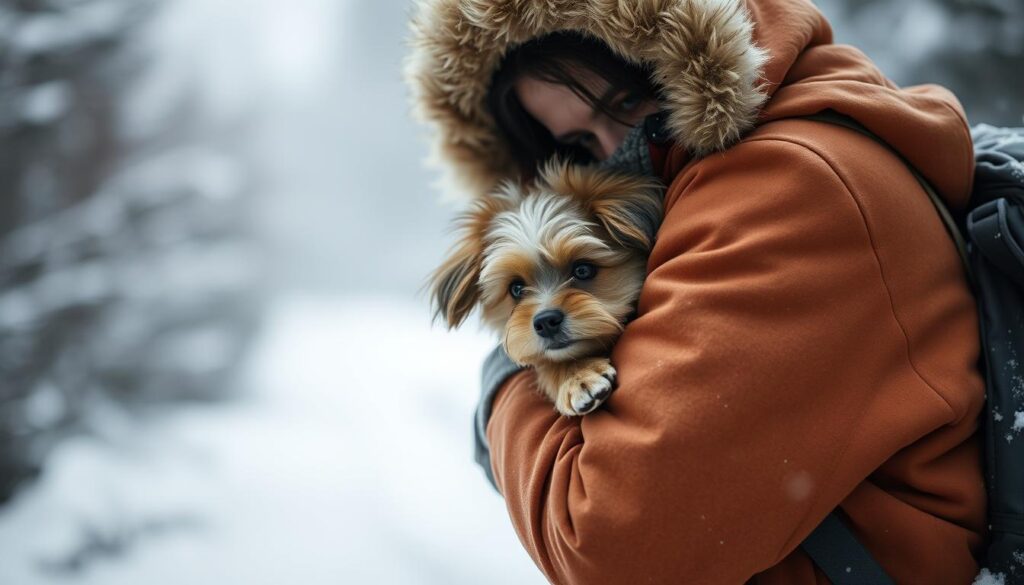
Make a cozy spot for your dog to travel. Use insulated crates or carriers with warm bedding. Thermal blankets or heated mats are great for pets on the move.
Managing Temperature in Vehicles
Keep the car warm for your dog. Use the car’s heater to keep it cozy. But, don’t overheat it to avoid harm.
Safe Use of Portable Heaters and Warming Devices
Portable heaters are useful but must be safe. Choose dog-safe heating pads or warmers for pets. Always follow the maker’s rules to stay safe.
Layering Techniques for Extreme Cold
In very cold weather, layering is key. Dress your dog in coats, sweaters, and booties. Choose warm, breathable materials and ensure a good fit.
These tips help keep your dog warm and happy in winter. Always watch how your dog handles cold and adjust as needed.
Car Travel Safety in Cold Weather
As winter arrives, dog owners must focus on car travel safety for their pets. It’s crucial to ensure your dog’s comfort and safety during cold weather car rides. Several key considerations are involved.
Vehicle Heating Systems and Your Dog
Understanding your vehicle’s heating system is vital. Make sure it works well before you go. Also, avoid blowing hot air directly at your dog to prevent overheating.
Creating Insulated Travel Crates
An insulated travel crate can keep your dog warm and cozy. Line the crate with thermal blankets or foam insulation. Make sure it’s well-ventilated to avoid moisture buildup.
Safe Restraint Systems That Maintain Warmth
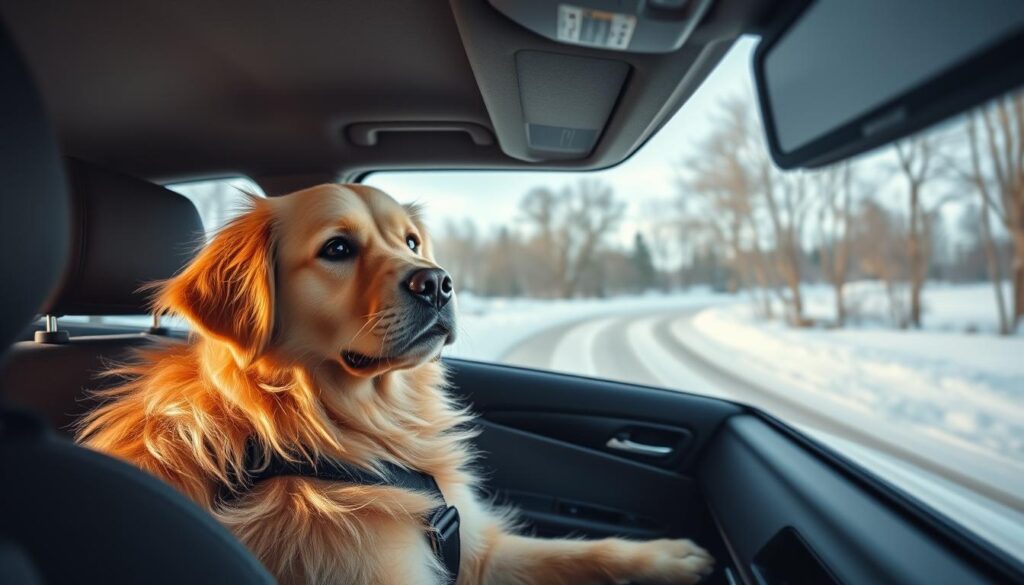
Choose a harness or carrier that safely restrains your dog and keeps them warm. Look for ones with thermal insulation. You can also use a warm blanket to cover the restraint system.
Never Leave Your Dog Alone in Cold Cars
Never leave your dog unattended in a cold car. Cars can quickly become cold traps, even on mildly chilly days. This puts your dog at risk of hypothermia. Always take your dog with you if you need to leave the car.
| Safety Measure | Description | Benefit |
|---|---|---|
| Vehicle Heating | Proper use of car heating systems | Maintains a warm environment |
| Insulated Crates | Use of thermal materials for crates | Keeps dogs warm and cozy |
| Safe Restraints | Harnesses or carriers with insulation | Ensures dog safety and warmth |
Accommodation Planning for Cold-Weather Trips
Keeping your dog warm on winter trips is more than just the right gear. It’s also about choosing the right place to stay. When you travel with your dog in cold weather, plan your stay carefully. This ensures they stay safe and comfortable.
Researching Pet-Friendly Lodging with Adequate Heating
Find hotels or lodges that welcome pets and have good heating. Use sites like PetFriendlyTravel.com or Booking.com to search for pet-friendly places. Make sure the place you pick is known for being warm.
Creating a Warm Sleeping Area in Hotels
Even in a warm hotel room, a familiar blanket or bed can help your dog stay cozy. Think about using a portable heater (safely used and watched) to keep things warm.
Camping with Dogs in Winter: Tent Warming Strategies
For camping, use a strong, four-season tent. Also, think about a portable, safe heater for your pet. Bring warm bedding and set up camp fast to avoid cold.
Emergency Accommodation Backup Plans
Always have a list of backup places to stay. This is key during busy travel times.
Recognizing and Addressing Cold-Weather Emergencies
Cold weather can be dangerous for your dog. It’s important to know how to handle emergencies. Knowing the signs of hypothermia and frostbite can save your dog’s life when traveling in winter.
Signs of Hypothermia in Dogs
Hypothermia happens when your dog’s body temperature gets too low. Early signs include shivering, feeling tired, and a slow heart rate. As it gets worse, your dog might seem confused, have a weak pulse, and even lose consciousness. If you think your dog has hypothermia, warm them up fast.
Frostbite Recognition and First Aid
Frostbite is a risk in cold weather, affecting areas like ears, tails, and paws. Early signs are pale or blue skin, numbness, and feeling cold. Severe cases can cause blisters or dead skin. If you see frostbite, warm the area with lukewarm water and get vet help fast.
Emergency Response Steps
In a cold-weather emergency, stay calm and act fast. For hypothermia, take off wet clothes and use warm blankets or a low-setting heating pad. For frostbite, warm the area gently. Always get vet help as soon as you can after starting care.
Creating a Winter Travel First Aid Kit
Having a good first aid kit is key for winter travel with your dog. Include bandages, antiseptic wipes, tweezers, and a digital thermometer. Also, pack a warm blanket, a low-setting heating pad, and any needed medications. Being ready can help a lot in emergencies.
Special Considerations for Different Dog Types
It’s important to know what your dog needs based on their breed, age, and health when traveling in winter. Each type of dog has its own needs to stay safe and cozy in the cold.
Small and Toy Breeds in Cold Weather
Small and toy breeds get cold fast because of their size and body mass. They lose heat quickly, so keeping them warm is key. Use appropriate clothing and limit their time outside in the cold. A dog coat or sweater can help keep them warm during walks.
Senior Dogs and Winter Travel Challenges
Senior dogs have less fat and circulation to keep warm. Their health issues, like arthritis, can get worse in the cold. Make sure they have a warm, comfortable travel space and take breaks during long trips.
Short-Haired and Single-Coated Breeds
Short-haired and single-coated breeds don’t have the natural insulation of thick coats. They need extra care, like dog coats or jackets, to stay warm. It’s best to keep them indoors when it’s very cold.
Puppies: Extra Precautions for Young Dogs
Puppies need extra care in winter because their immune systems are still growing. Avoid extreme cold and make sure they have a warm place to sleep. Slowly getting them used to the cold can prevent shock.
Winter Activities: Keeping Your Dog Safe and Warm
Winter activities can be a great way to bond with your dog. But safety should always be a top priority. It’s important to plan and take precautions to keep your pet safe and warm during cold weather.
Hiking with Your Dog in Snow and Ice
When hiking with your dog in snowy or icy conditions, choose safe trails. Always keep your dog on a leash to prevent slipping or getting lost. Check the weather forecast and be ready for changes.
Snow Play Safety Guidelines
Playing in the snow can be fun for dogs. But, it’s important to watch their activity to prevent overexertion. Limit playtime in extreme cold and make sure they have a warm, dry place to rest. Be careful of hazards like snowplows and icy roads.
Urban Winter Excursions: Sidewalk Salt and Chemicals
Urban areas have unique risks in winter due to salt and chemicals on sidewalks and roads. These can harm your dog’s paws. It’s crucial to protect them.
Protecting Paws from Salt and Chemicals
- Use dog booties or paw balms to protect your dog’s paws from salt and chemicals.
- Rinse your dog’s paws with warm water after walks to remove any harmful substances.
- Consider using a paw wax or balm to provide an extra layer of protection.
Adjusting Exercise Duration in Cold Weather
In winter, adjust your dog’s exercise routine based on the weather. Shorten walks on very cold days. Consider indoor activities like fetch or hide-and-seek. Always watch your dog’s behavior and adjust their exercise to prevent hypothermia or discomfort.
Nutrition and Hydration for Winter Warmth
Keeping your dog warm in winter is more than just the right clothes. It’s also about their diet and how much water they drink. A well-fed, hydrated dog can better handle the cold.
Increased Caloric Needs
Dogs need more calories in winter to stay warm. Increased caloric needs can be met by adding more calories to their diet. But, be careful not to overfeed them.
Preventing Water from Freezing
It’s important to keep your dog hydrated, but preventing water from freezing can be hard. Insulated water containers or heated bowls can help keep water from freezing.
Warm Treats and Meals on the Go
Warm treats and meals can comfort your dog. Bring warm, nutritious snacks when you’re out.
Hydration Monitoring
Hydration monitoring is key in winter. Dehydration can happen just like in warmer months. Make sure your dog always has unfrozen water and watch their water intake.
| Hydration Tips | Nutritional Advice |
|---|---|
| Use insulated water containers | Increase caloric intake for active dogs |
| Monitor water intake daily | Provide warm, nutrient-rich treats |
| Avoid dehydration by offering water frequently | Balance diet to avoid overfeeding |
Common Mistakes to Avoid When Traveling with Dogs in Winter
As winter comes, it’s key to know the mistakes that can harm your dog. Many pet owners don’t see the dangers of cold weather. This can lead to serious health issues for their dogs.
Underestimating Cold Exposure Risks
One big mistake is not realizing the dangers of cold. Dogs can get hypothermia and frostbite just like people. Being out in the cold for too long can hurt their health.
Overlooking Paw Care and Protection
Another big mistake is not taking care of your dog’s paws. Salt, chemicals, and ice can hurt their paws. Using booties or paw balms can help protect them.
Forgetting Backup Warming Options
Not having backup warmth is another mistake. Having extra heat, like portable heaters or warm blankets, can save your dog’s life if the main heat fails.
Ignoring Weather Forecasts and Warnings
Not paying attention to weather forecasts can also be risky. Knowing the weather helps you plan safer trips and avoid very cold weather.
| Common Mistake | Consequence | Prevention |
|---|---|---|
| Underestimating Cold Exposure | Hypothermia, Frostbite | Monitor temperature, Limit exposure |
| Overlooking Paw Care | Paw Injury, Discomfort | Use paw protection (booties, balms) |
| Forgetting Backup Warming | Loss of Heat, Discomfort | Portable heaters, Warm blankets |
| Ignoring Weather Forecasts | Getting Caught in Extreme Cold | Stay informed, Plan ahead |
Conclusion
Winter is here, and traveling with your dog needs extra care. This article has given you tips to keep your dog safe and warm. Follow these winter dog travel tips for a successful cold weather trip.
Getting ready for pet travel is important. Make sure your dog is ready for the cold. Get dog coats, paw protection, and insulated bedding. Also, create a warm space in your vehicle.
Knowing how to handle cold weather emergencies is key. Look out for signs of hypothermia and frostbite. Also, adjust your dog’s food and water to keep them healthy.
With these steps, you and your dog can have a great winter trip. Look for pet-friendly places to stay. Plan for emergencies and check the weather forecast for a smooth trip.