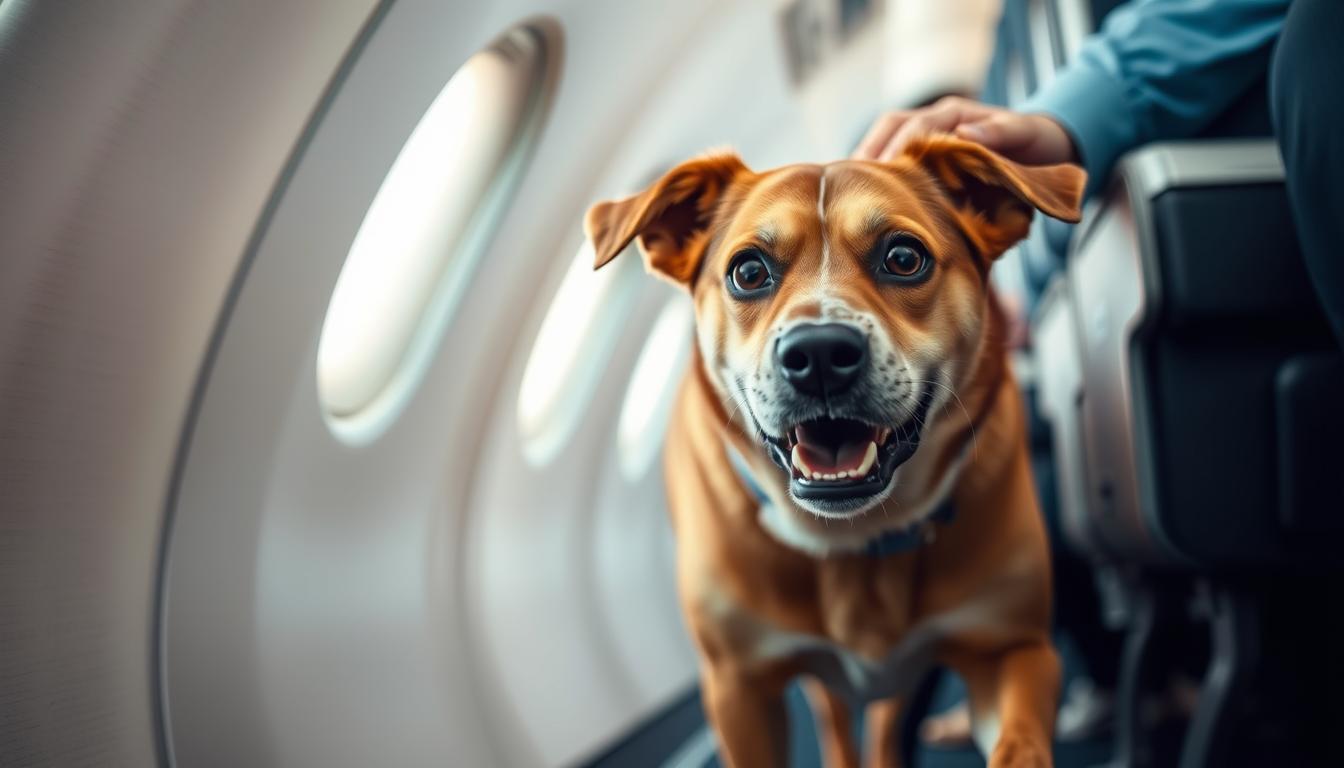
Traveling with your dog can be tough, challenging, and stressful, anxiety and stress are common. This can make the trip hard for both your dog and you.
There are calming remedies that can help. They can make your dog’s flight much better. Knowing what causes anxiety and finding the best solutions is key. This way, your dog can travel more comfortably and without stress.
Key Takeaways
- Understand the causes of dog anxiety on flights
- Explore available calming remedies for dogs
- Identify the most effective solutions for long flight stress
- Learn how to prepare your dog for a flight
- Discover tips for a stress-free journey with your dog
Understanding Flight Anxiety in Dogs
Air travel can be scary for dogs, causing a lot of anxiety. It’s important to recognize and deal with this anxiety to keep your dog safe and happy during flights.
Common Signs of Travel Anxiety in Dogs
Dogs show anxiety in different ways. They might pant, pace, whine, or seem restless. Some dogs might also yawn, lick, or avoid eye contact. Spotting these signs helps you care for and comfort your dog.
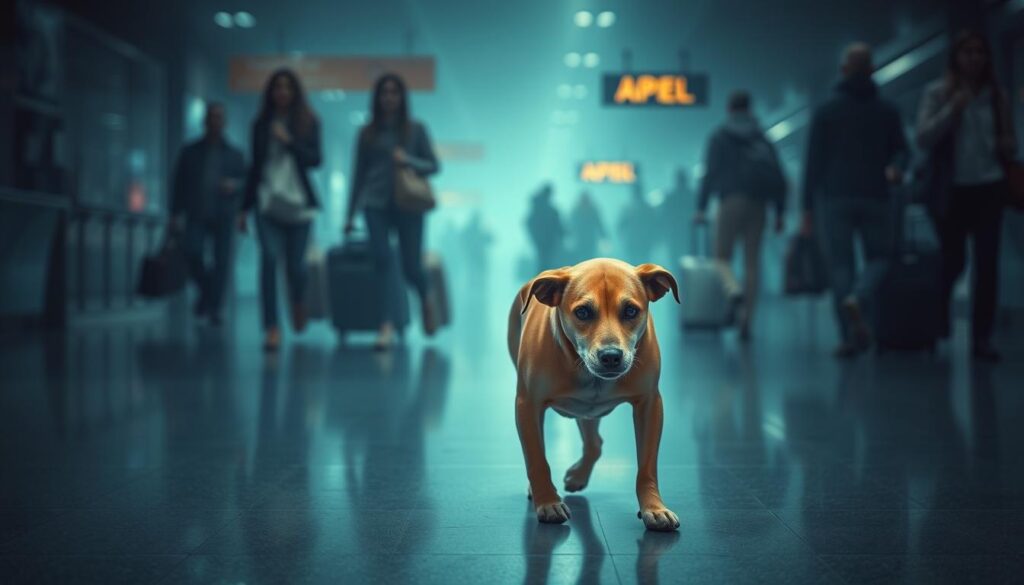
Why Flights Are Particulary Stressful for Dogs
Flights are tough for dogs because of the noise, shaking, and feeling trapped. The new place and lack of control make things worse. Knowing this helps you make flying better for your dog.
| Stress Factor | Impact on Dogs |
|---|---|
| Noise | Increased anxiety and stress |
| Turbulence | Fear and discomfort |
| Confinement | Restlessness and panic |
How Anxiety Affects Your Dog’s Health
Anxiety can harm your dog’s health. It can make their heart rate and blood pressure go up and cause stomach problems. If anxiety is not treated, it can lead to serious health issues. It’s important to talk to a vet to manage your dog’s anxiety and keep them healthy.
Key Health Effects: Increased heart rate, elevated blood pressure, gastrointestinal issues.
“The key to helping your dog cope with flight anxiety is understanding and addressing their specific needs. With the right approach, you can make air travel a more comfortable experience for your pet.”
Best Calming Remedies for Dogs on Long Flights
Dogs can get stressed on long flights. Luckily, there are ways to help them feel better. Always talk to a vet to find the right solution for your dog.
Prescription Medications
For dogs with really bad anxiety, doctors might prescribe medicine. These medicines are made just for dogs and can really help.
Trazodone and Alprazolam
Trazodone and Alprazolam are two medicines often given for dog anxiety. Trazodone helps calm dogs without making them too sleepy. Alprazolam is good for sudden anxiety attacks.
Acepromazine Considerations
Acepromazine is also used for dog anxiety. But, it can cause serious side effects. So, a vet should only use it when really needed.
Over-the-Counter Solutions
For dogs with mild anxiety, there are OTC options. These can be used alone or with prescription medicine.
Benadryl and Melatonin
Benadryl can help with a little anxiety and make dogs sleepy. Melatonin helps dogs relax and can help them sleep better on flights.
Calming Treats and Chews
There are calming treats and chews you can buy OTC. They have things like chamomile or L-theanine in them.
Natural Supplements
If you don’t want to use medicine, natural supplements are a good choice.
L-Theanine and GABA
L-Theanine and GABA are natural helpers that can make dogs feel calm and less anxious.
Valerian Root and Chamomile
Valerian root and chamomile are herbs that can calm dogs down. They come in supplements and teas.

| Remedy Type | Examples | Benefits |
|---|---|---|
| Prescription Medications | Trazodone, Alprazolam | Highly effective for severe anxiety |
| Over-the-Counter Solutions | Benadryl, Melatonin | Accessible and can be used for mild anxiety |
| Natural Supplements | L-Theanine, Valerian Root | Promote relaxation without pharmaceuticals |
Every dog is different, so what works for one might not work for another. It’s very important to work with a vet to find the best way to calm your dog.
Calming Accessories That Actually Work
For dogs with flight anxiety, some calming accessories really help. They can make flying less stressful for your pet.
Anxiety Vests and Thundershirts
Anxiety vests and Thundershirts apply gentle pressure to calm your dog. This pressure is like being swaddled or held close. Many owners see a big drop in their dog’s flight anxiety with these vests.

Calming Collars and Diffusers
Calming collars and diffusers release pheromones that calm dogs. They mimic the scent mother dogs use to soothe their puppies. These can greatly reduce your dog’s flight anxiety. Just wearing a collar or having a diffuser in the carrier can help a lot.
Comfort Items from Home
Bringing home items can make your dog feel secure and familiar during the flight. This includes blankets and toys, and items with your scent.
Familiar Blankets and Toys
Familiar items like your dog’s favorite blanket or toy offer comfort. They have a scent your dog knows and can reassure them during the flight.
Items with Your Scent
Items with your scent, like a worn t-shirt or sock, are very comforting. The scent of you can make your dog feel closer and less anxious.
Using these calming accessories can make flying more enjoyable for your dog. It helps them relax and feel more at ease.
CBD and Hemp Products for Canine Travel Anxiety
Traveling with anxious dogs can be tough. But, CBD and hemp products might help ease their stress. It’s key to know how these products work and their effects.

How CBD Works for Dog Anxiety
CBD, or cannabidiol, comes from hemp and affects dogs’ mood. It helps calm them down without making them high. This is because CBD doesn’t have the psychoactive effects of THC.
Many pet owners see a big drop in their dogs’ anxiety with CBD. It makes dogs feel more relaxed and calm.
Proper Dosing Guidelines
Finding the right amount of CBD for your dog is important. Size, age, and how anxious they are affect the dose. Start with a small amount and slowly increase it.
Talking to a vet before giving CBD is a must. They can help figure out the right dose and check for any drug interactions.
Legal Considerations When Traveling
Traveling with CBD products means knowing the law. CBD from hemp is legal in the U.S. But, states have their own rules.
Check the CBD laws in your travel destinations. Some places might need special papers or limit how much CBD you can bring.
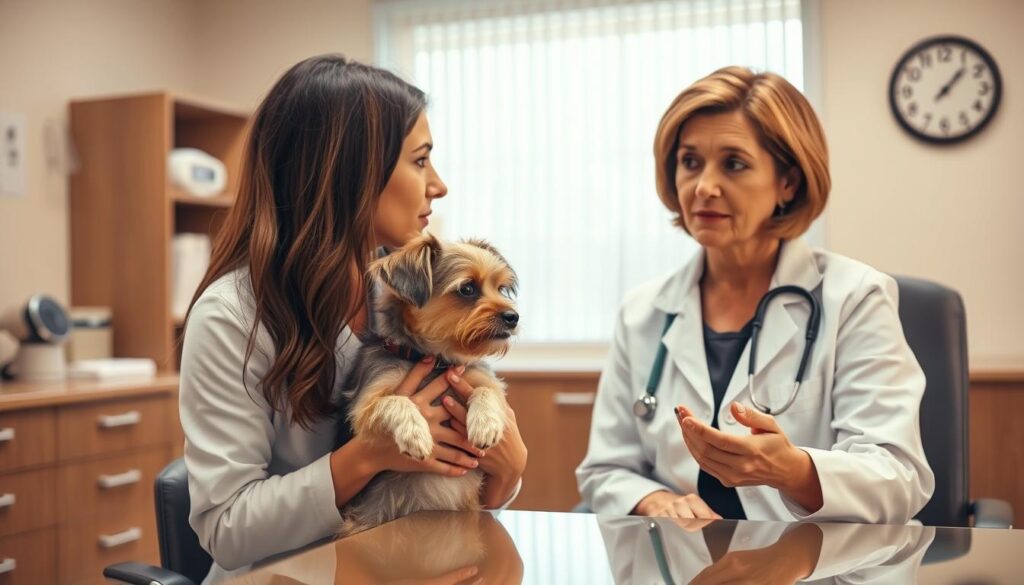
Consulting with Your Veterinarian
Talking to your vet is key when getting your dog ready for a flight. They offer advice that fits your dog’s needs.
Make sure to get a health check before booking a flight. This visit helps your vet check your dog’s health and spot any travel risks.
Pre-Travel Health Check Importance
A health check before flying is very important. Your vet will look for any health problems that could be worse in the air. They’ll also talk about your dog’s anxiety and past travel experiences.
Creating a Flight Anxiety Management Plan
Your vet can create a plan to help your dog feel less anxious during the flight. This might include calming aids, special behaviors, or even medication. The goal is to make the flight as stress-free as possible for your dog.
When to Avoid Sedation Completely
Not all dogs should be sedated for flying. Your vet will tell you if it’s safe for your dog. It’s important to listen to their advice to avoid any risks.
| Veterinary Consultation Benefits | Description |
|---|---|
| Pre-Travel Health Check | Assesses your dog’s health before flying |
| Personalized Anxiety Management Plan | Tailored recommendations for reducing flight anxiety |
| Guidance on Sedation | Advice on whether sedation is safe for your dog |
By talking to your vet and following their advice, you can make your dog’s flight less stressful. This ensures a safer and more enjoyable trip for both you and your pet.
Pre-Flight Training and Preparation
To make sure your dog is comfortable on the flight, getting ready beforehand is essential. This means taking a few steps to help your dog relax during the journey.
Carrier Acclimation Techniques
Getting your dog used to the carrier is a big part of getting ready for the flight. Make the carrier a cozy and safe spot for your dog.
Making the Carrier a Safe Space
Put your dog’s favorite toys and treats in the carrier to make it welcoming. Adding a familiar blanket can also offer comfort.
Gradual Introduction Strategies
Start by introducing the carrier for short times and then increase it. This helps your dog get used to the carrier without feeling stressed.
Desensitization to Travel Sounds
Help your dog get used to travel sounds like engine noises and announcements. Play these sounds softly and reward your dog for staying calm.
Practice Trips Before Flying
Take your dog on short trips in the carrier to get them used to moving and travel settings. This could be a car ride or a visit to the airport.
| Pre-Flight Training Tips | Benefits |
|---|---|
| Carrier Acclimation | Reduces anxiety related to the carrier |
| Desensitization to Travel Sounds | Minimizes stress caused by flight noises |
| Practice Trips | Prepares your dog for the travel experience |
Using these pre-flight training methods can greatly reduce your dog’s stress. It makes flying more enjoyable for both of you.
During-Flight Calming Techniques
During-flight calming techniques are key to reducing your dog’s travel anxiety. They make the flight more comfortable for your pet.
Managing the Airport Experience
Going through the airport can be tough for you and your dog. Being prepared is crucial to avoid stress.
Security Checkpoint Tips
At security checkpoints, keep your dog calm. Speak softly and offer treats. A collapsible dog crate helps move around easily.
Quiet Spaces in Airports
Many airports have quiet spaces for pets. Look up these areas before your flight. It helps plan your route.
In-Cabin Anxiety Management
It’s important to manage your dog’s anxiety during the flight. Bring familiar comfort items like a favorite toy or blanket. They help soothe your dog.
Communicating with Flight Attendants
Tell flight attendants about your dog’s anxiety. They can offer extra support or reassurance.
Using these calming techniques can greatly reduce your dog’s travel stress. It makes the journey better for both of you.
Post-Flight Care for Your Dog
After a flight, making sure your dog feels comfortable is just as key as getting them ready for it. The stress of flying can linger even after landing. Some dogs may still show signs of anxiety.
Recognizing Lingering Anxiety
Keep an eye out for signs of lingering anxiety in your dog. This can show up as changes in how they act or eat. Look for:
- Pacing or restlessness
- Whining or barking
- Loss of appetite
- Panting or shaking
Spotting these signs early can help you give your dog the care and comfort they need.
Helping Your Dog Readjust
To help your dog adjust after flying, make their environment calm and familiar. This can include:
- Providing a comfortable and quiet space
- Offering familiar toys or blankets
- Maintaining a regular routine
This can help lower your dog’s stress and make them feel safer.
When to Seek Veterinary Help
If your dog’s anxiety doesn’t go away or gets worse after flying, you should see a vet. Your vet can help figure out the best steps, which might include:
- Adjusting medication or supplements
- Implementing additional training or behavioral therapy
Consulting with your veterinarian is key to make sure your dog gets the right care and support.
Alternatives to Flying with Anxious Dogs
For dogs with severe flight anxiety, there are better ways to travel than flying. Flying is quick, but it’s not always good for our furry friends.
Ground Transportation Options
Driving or taking a train is a great alternative. It lets dogs move around and avoids the tight spaces of flying. A road trip or train ride can be an exciting adventure for both you and your dog.
Professional Pet Transportation Services
If you can’t travel with your pet, professional services are a good choice. They focus on safe, long-distance pet transport with care. Look for well-reviewed companies to feel secure.
When to Consider Leaving Your Dog with a Caretaker
Leaving your anxious dog with a trusted person might be the best option. This could be a friend, family, or a professional pet sitter. Keeping your dog in a familiar place can be the least stressful for them.
| Travel Option | Stress Level | Cost |
|---|---|---|
| Ground Transportation | Low | Moderate |
| Professional Pet Transportation | Low | High |
| Leaving with a Caretaker | Low | Variable |
Conclusion
Flying with dogs can be tough, mainly when they feel anxious. Luckily, many calming remedies and strategies can ease their journey.
Understanding your dog’s flight anxiety is key. Using the right calming remedies can greatly lower their stress. You can try prescription meds, over-the-counter options, calming accessories, or CBD products.
Talking to your vet is essential. They can guide you to the best calming methods for your dog. This way, you both can enjoy the flight more.
With the right preparation and calming strategies, flying with dogs can be less stressful. Choosing the best calming remedies for your dog can make your next flight a success.