Traveling with your furry friend can be a wonderful experience. But, it’s crucial to prioritize their safety, hot weather being a big concern. As a dog owner, knowing the risks of heatstroke and how to prevent it is key.
Understanding hot weather safety is vital for a safe and fun trip with your traveling companion. In this article, we’ll look at the dangers of heatstroke. We’ll also share tips on getting ready to travel and keeping your car safe for your dog.
Key Takeaways
- Recognize the warning signs of heatstroke in dogs
- Take necessary precautions for dog heatstroke prevention
- Plan ahead for safe traveling with dogs
- Ensure your vehicle is hot weather safe for your dog
- Know how to find emergency veterinary care on the road
Understanding Canine Heatstroke: A Serious Summer Threat
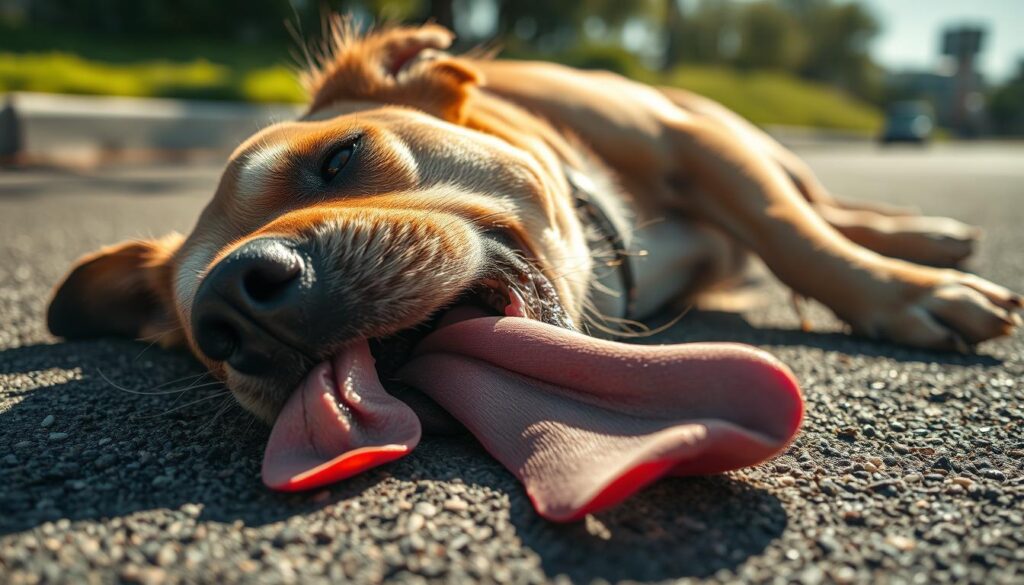
It’s vital for dog owners to know about canine heatstroke to keep their pets safe. Heatstroke happens when a dog can’t control its body temperature, causing it to rise too high.
What Happens to Your Dog’s Body During Heatstroke
Dogs can’t sweat like humans do. They cool down by panting and vasodilation. If these methods fail, heatstroke can set in. This can damage a dog’s brain, kidneys, and other important organs.
The Science Behind Overheating in Dogs
Dogs have special challenges when it comes to staying cool. They can’t sweat, so they must use other ways to cool down.
| Cooling Mechanism | Description | Limitation |
|---|---|---|
| Panting | Rapid breathing to evaporate water from the tongue, lungs, and the lining of the mouth. | Can be ineffective in high humidity. |
| Vasodilation | Blood vessels near the surface of the skin dilate to release heat. | Can be insufficient in extreme heat. |
Why Dogs Are More Vulnerable to Heat Than Humans
Dogs face more heat dangers because of their physiological makeup. Some breeds, like brachycephalic dogs, are at higher risk. Their short noses make breathing hard in the heat.
Cooling Limitations of Canine Physiology
Dogs have a hard time cooling themselves. Owners must take steps to prevent heatstroke. Knowing these challenges helps spot the early signs.
Recognizing the Warning Signs of Heatstroke in Dogs
Heatstroke in dogs is very dangerous. It’s crucial to spot the early signs. Dogs can get heatstroke fast in cars or new places. Always watch your dog’s behavior and health closely.
Early Symptoms You Shouldn’t Ignore
Spotting heatstroke early can save your dog’s life. Look for these first signs:
- Excessive panting
- Drooling
- Restlessness or agitation
Behavioral Changes That Signal Distress
Dogs show signs of distress in different ways. Watch for signs of anxiety or unusual calmness. If your dog is too quiet or restless, they need a cooler place.
Advanced Warning Signs Requiring Immediate Action
As heatstroke gets worse, symptoms get more serious. Look out for these signs:
| Symptom | Description |
|---|---|
| Vomiting | May indicate severe heat stress |
| Diarrhea | Can lead to dehydration |
| Collapse | A critical sign that requires immediate veterinary attention |
Life-Threatening Symptoms That Demand Emergency Care
If your dog shows these serious signs, get emergency vet care right away. Heatstroke can be deadly if not treated quickly. Have a list of emergency vet clinics ready for your trips.
High-Risk Factors: Which Dogs Are Most Susceptible
Some dogs are more at risk of heatstroke when traveling. Their breed, age, weight, and health matter a lot. These factors help decide how likely a dog is to get sick from the heat.
Breed-Specific Vulnerabilities
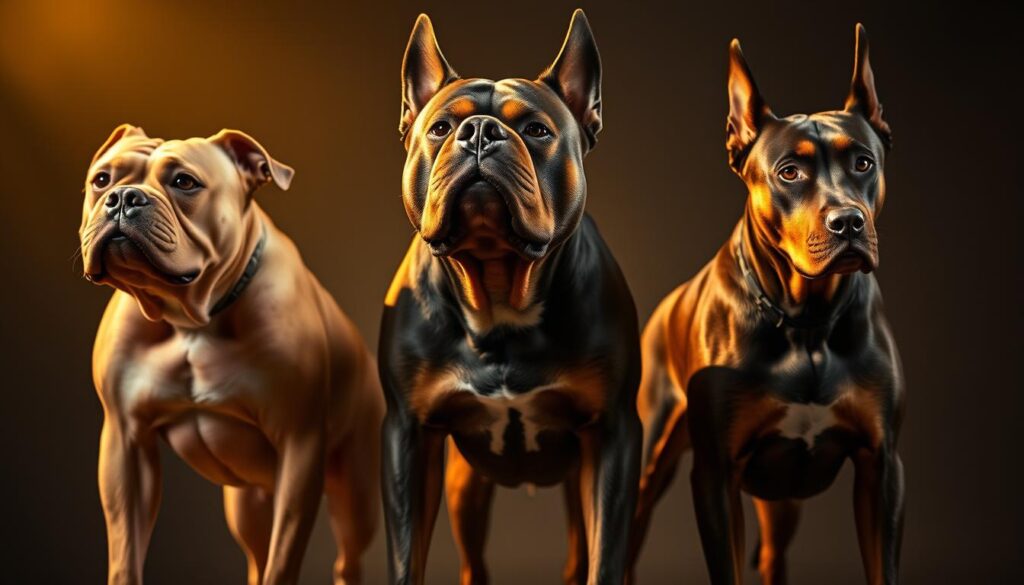
Some dog breeds are more likely to get heatstroke. Brachycephalic breeds, like Pugs and Bulldogs, are very vulnerable.
Special Considerations for Brachycephalic Breeds
Brachycephalic breeds have short noses. This makes it hard for them to breathe in the heat. It’s very important to watch them closely and give them breaks in cool, shaded spots.
Age, Weight, and Health Considerations
Age, weight, and health also matter a lot. Older dogs and puppies can’t handle the heat as well. They have a harder time keeping their body temperature stable.
Protecting Senior Dogs and Puppies During Travel
Traveling with older dogs or puppies needs extra care. Make sure they always have water and a cool place to rest. Try to avoid exercising them too much and don’t travel when it’s very hot.
- Monitor your dog’s condition closely
- Provide regular breaks in cool areas
- Limit exercise and avoid peak heat
Pre-Travel Preparations to Keep Your Dog Cool
To keep your dog safe in hot weather, you need to prepare before you leave. This means packing the right stuff and planning your trip to avoid heatstroke.
Essential Cooling Supplies for Your Journey
Right cooling supplies are key to keeping your dog cool on the road. You’ll need portable fans, cooling pads, and shades for your car windows.
Creating a Heat Safety Travel Kit
A heat safety kit for your dog should have:
- Portable cooling packs
- A collapsible water bowl
- Reflective window shades
- A first-aid kit for heatstroke

Timing Your Travel to Avoid Peak Heat
When traveling with your dog in hot weather, timing is everything. Try to avoid traveling between 11 am and 3 pm to lower the risk of heatstroke.
Planning Around Weather Forecasts
Check the weather forecast before you go. Plan your trip for cooler times of the day to keep your dog safe.
| Travel Time | Heat Risk Level | Precautions |
|---|---|---|
| Early Morning | Low | Regular breaks, hydration |
| Peak Hours (11 am – 3 pm) | High | Avoid travel, keep dog cool and hydrated |
| Evening | Moderate | Monitor temperature, provide shade |
Car Travel Safety: Creating a Cool Environment
To keep your dog safe in hot weather, it’s key to make the car cool. This means using air conditioning and ensuring good ventilation. You also need to watch the car’s temperature.
Proper Air Conditioning and Ventilation Techniques
Using air conditioning and ventilation right is vital. Here are some tips:
- Always keep the air conditioning on when traveling with your dog.
- Ensure that the vents are not blocked by luggage or other items.
- Use the recirculation feature to cool the air faster.
Maintaining Safe Temperatures in Different Vehicle Types
Different cars cool differently. For older cars or those with weak air conditioning, consider:
- Using additional cooling methods like portable fans.
- Parking in shaded areas to reduce heat buildup.
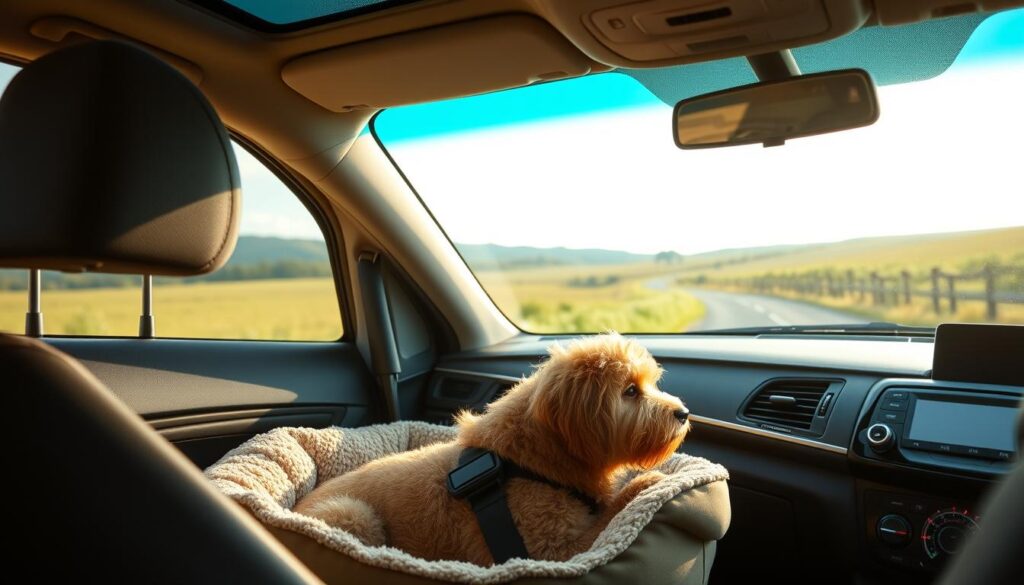
Never Leave Your Dog Alone: Understanding the Dangers
Leaving your dog alone in a car is very dangerous. The car’s temperature can rise fast, causing heatstroke.
- Never leave your dog unattended in a car.
- If you need to leave the vehicle, take your dog with you.
How Quickly Cars Heat Up in Summer Conditions
Cars can get very hot, even with windows open a bit. On a 70°F day, a car’s inside can hit 100°F in 20 minutes.
“On a hot day, a car’s interior temperature can skyrocket, turning it into a potential oven for your dog.”
Knowing these dangers helps you protect your dog.
How to Treat Dog Heatstroke While Traveling
If your dog gets heatstroke while traveling, quick action is key. Treating dog heatstroke is more than just easing symptoms. It’s about acting fast to avoid serious problems or even death.
Immediate First Aid Steps
The first 30 minutes are crucial in treating dog heatstroke. Move your dog to a cooler spot right away. Give them cool water to drink or pour over their body. You can also wet their paws and belly to help cool them down.
The Critical First 30 Minutes of Response
Stay calm and act fast during this time. Remove any tight collars and try to get your dog to drink water. If they’re not responding or symptoms are severe, get vet help right away.
Cooling Methods That Are Safe and Effective
Wet towels or cooling pads can help lower your dog’s temperature. But don’t use ice packs directly on their skin. This can cause more harm. Instead, wrap them in a towel first.
Avoiding Common Mistakes in Heatstroke Treatment
Don’t use cold water too fast, as it can shock your dog. Also, don’t skip vet care after initial treatment. Always watch your dog closely and be ready to tell your vet about their symptoms and treatment.
Treating dog heatstroke while traveling needs quick first aid and careful watching. By knowing the right steps, you can keep your dog safe and healthy during hot weather travel.
Air Travel and Public Transportation Considerations
Traveling with your dog requires knowing about air travel and public transport. Each has its own challenges and rules.
Airline Policies and Temperature Restrictions
Choosing the right airline is key when flying with your dog. Some airlines are better for pets, with better climate control. Pet-friendly airlines with controlled temperatures can lower the risk of heatstroke.
Choosing Pet-Friendly Airlines with Climate Controls
Look for airlines with climate-controlled cargo holds or cabin access for dogs. Some airlines are better than others for pets. Always check the airline’s pet policy before booking.
Navigating Trains, Buses, and Rideshares with Your Dog
For trains, buses, and rideshares, preparation is essential. Know the pet policies of these services for a smooth trip.
Advocating for Your Dog’s Comfort in Shared Transportation
When using shared transport, fight for your dog’s comfort. Choose pet-friendly routes and times. Be ready to provide needed documents or make special requests for your dog’s safety.
Understanding and preparing for air travel and public transport can prevent heatstroke. It ensures a comfortable trip for your dog.
Hydration Strategies for Traveling Dogs
Dog owners know hydration is key, but it’s even more important when traveling. Making sure your dog has enough water is crucial. This helps prevent dehydration and heatstroke, which are big risks during long trips or in hot weather.
Creative Ways to Encourage Water Consumption
Getting your dog to drink enough water can be tough, but there are ways. Using portable water bottles or collapsible bowls makes it easier to offer water during breaks. You can also add a bit of low-sodium chicken broth to their water to make it taste better.
Portable Water Solutions for Different Travel Scenarios
When you travel, the right water solution depends on your mode of transport. For car trips, a water container with a built-in bowl is handy. For hiking or long walks, a hydration pack designed for dogs lets them drink on the move.
Signs of Dehydration You Should Monitor
It’s important to know the signs of dehydration in your dog. Look out for excessive panting, dry gums, and lethargy. If you see these signs, give them water and find shade or air-conditioning.
Testing Hydration Levels During Your Journey
There’s a simple way to check if your dog is hydrated. Do the skin elasticity test. Pinch the skin on the back of their neck; if it snaps back fast, they’re hydrated. If it takes longer, they might be dehydrated.
Recovery and Aftercare Following a Heatstroke Episode
The time after a heatstroke is very important for your dog’s health. After treatment, keep a close eye on your dog to avoid more problems.
Monitoring Your Dog After Initial Treatment
After a heatstroke, watch your dog closely. Look for any changes in breathing, gum color, or behavior. It’s crucial to keep your dog calm and quiet to avoid making things worse.
Hidden Complications That Can Develop Hours Later
Dogs might seem better after heatstroke but can still face problems later. Organ damage and conditions like DIC can happen. Regular vet visits are key to catching issues early.
When to Continue Your Journey vs. When to Pause Travel
Deciding to keep traveling or not depends on your dog’s health. If your dog has severe heatstroke or symptoms last, seek immediate veterinary care and delay travel.
Making Safe Decisions After a Heat-Related Incident
Think about your dog’s health before traveling again. Talk to a vet if you can. Consider how bad the heatstroke was, your dog’s age, and any health issues. Prioritizing your dog’s health is most important.
By watching your dog closely and making smart choices, you can help them recover from heatstroke. Always put your dog’s health first and get professional advice when needed.
Finding Emergency Veterinary Care on the Road
Traveling with your dog means knowing where to find emergency vet care. Whether you’re on a road trip or flying, having access to quality vet care is crucial. It can be a huge relief.
Planning for Veterinary Access Along Your Route
Before you start your journey, plan your route and find vet care options. Use online resources and apps to locate emergency vet services.
Apps and Resources for Locating Emergency Vets
Apps like VetLocator and PetFirst can help find emergency vet care. They let you search by location and give info on nearby clinics.
What to Tell the Vet When You Arrive
When you get to the emergency vet clinic, have the right info ready. This helps with diagnosis and treatment. Be ready to share your dog’s medical history and current meds.
Critical Information That Helps Diagnosis and Treatment
Share your dog’s vaccination history, allergies, and symptoms with the vet. This info helps the vet make a correct diagnosis and treatment plan.
Conclusion: Ensuring a Safe and Enjoyable Journey with Your Dog
Traveling with your dog in hot weather needs careful planning. You must know the signs of heatstroke and how to keep your dog cool. This way, you can lower the risk of heat-related illnesses and have a safe trip.
Creating a fun journey for you and your dog is more than just avoiding heatstroke. It’s about making sure they’re comfortable and not stressed. This means keeping them hydrated, using cooling supplies, and traveling when it’s cooler. This helps keep your dog safe.
With the right steps and knowledge, you can make great memories with your dog on trips. Making sure your dog is safe and comfortable makes the journey better for everyone. By following the tips in this article, you’re ready for a safe and fun trip with your dog.