Going on a Himalayan adventure with your dog can be exciting. But, the high-altitude areas bring special challenges. You need to plan and prepare carefully.
Proper dog camping setup is crucial for a safe and fun trip. The tough terrain and changing weather require careful thought for your dog’s needs.
Before your Himalayan trip, think about your dog’s needs in high places. This guide will help you with the key dog camping setup tips. It will make your adventure a success.
Key Takeaways
- Understand the challenges of high-altitude dog camping
- Learn essential dog camping setup tips for Himalayan regions
- Discover how to prepare your dog for rugged terrain and unpredictable weather
- Explore the importance of proper gear and equipment for your dog
- Gain insights into ensuring your dog’s safety and comfort during the journey
Understanding the Himalayan Environment for Dog Camping
To have a safe and fun camping trip with your dog, knowing the Himalayan environment is key. The Himalayas have tough terrain, changing weather, and many animals. These factors can affect your camping adventure.
Unique Challenges of High-Altitude Environments
Dogs face special challenges at high altitudes, like in the Himalayas. They might get sick from the altitude or have less oxygen. Symptoms can range from feeling tired or not hungry to vomiting or trouble breathing.
Seasonal Variations in the Himalayas
The Himalayas see big changes in seasons, from cold winters to warm summers. Knowing these changes is important for a good dog camping trip.
- Summer: Mild temperatures, but potential for monsoon rains
- Winter: Harsh conditions, with heavy snowfall and freezing temperatures
- Spring and Autumn: Generally considered the best seasons for camping, with mild temperatures and fewer weather extremes
Wildlife Considerations When Camping with Dogs
The Himalayas are home to many animals, some of which can be dangerous. It’s important to know about the local wildlife and take steps to keep your dog safe.
| Wildlife | Precautions |
|---|---|
| Bears | Keep dogs on a leash, store food and trash properly |
| Leopards | Be aware of surroundings, keep dogs close |
| Snakes | Wear protective clothing, avoid tall grass |
Understanding the Himalayan environment helps prepare for a safe and fun camping trip with your dog.
Assessing Your Dog’s Readiness for Himalayan Adventures
Before you take your dog on a Himalayan adventure, check if they’re ready for the tough environment. The Himalayas are stunning, but the high altitude can be hard for dogs.
Breed Considerations for High-Altitude Camping
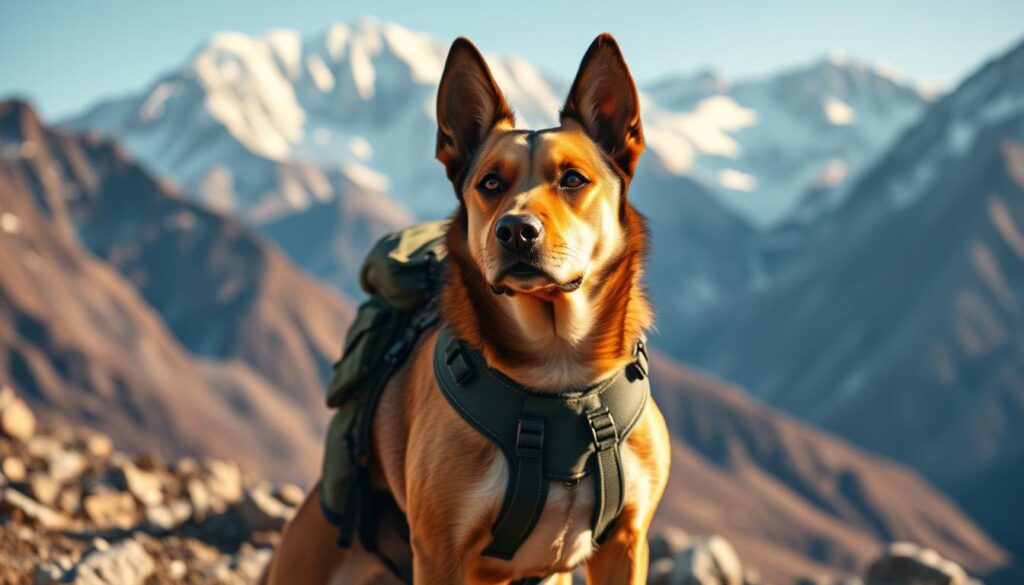
Some dog breeds are better for high-altitude camping than others. Dogs with thick coats might find the changing weather hard. But, dogs with athletic builds might do better with the physical challenges.
Physical Fitness Requirements
Your dog’s fitness level is key for navigating the Himalayas. Dogs that exercise regularly and are in good shape will likely do well.
Age and Health Factors
Your dog’s age and health are important for a Himalayan adventure. Pre-trip veterinary checkups are crucial to spot any health issues.
Pre-Trip Veterinary Checkups
A detailed vet check before the trip can uncover health problems. These could affect your dog’s ability to handle high altitudes.
Vaccination Requirements for Mountain Regions
Make sure your dog’s vaccinations are current for the areas you’ll visit. Some mountain regions have specific vaccination needs.
By carefully checking your dog’s readiness and taking precautions, you can ensure a safe and fun Himalayan adventure for both you and your pet.
Essential Dog Camping Setup Tips in Himalayan Regions
Camping with your dog in the Himalayas needs careful planning and the right gear. This ensures a safe and fun experience for both you and your pet. The rugged terrain and unpredictable weather demand a thoughtful approach to your dog’s camping setup.
Specialized Gear for Canine Mountaineers
Your dog will need specialized gear for high-altitude adventures in the Himalayas. This includes durable, weather-resistant harnesses, booties for rugged terrain, and goggles for snow glare protection. High-quality gear will make your dog more comfortable and safe.
Creating a Dog-Friendly Tent Environment
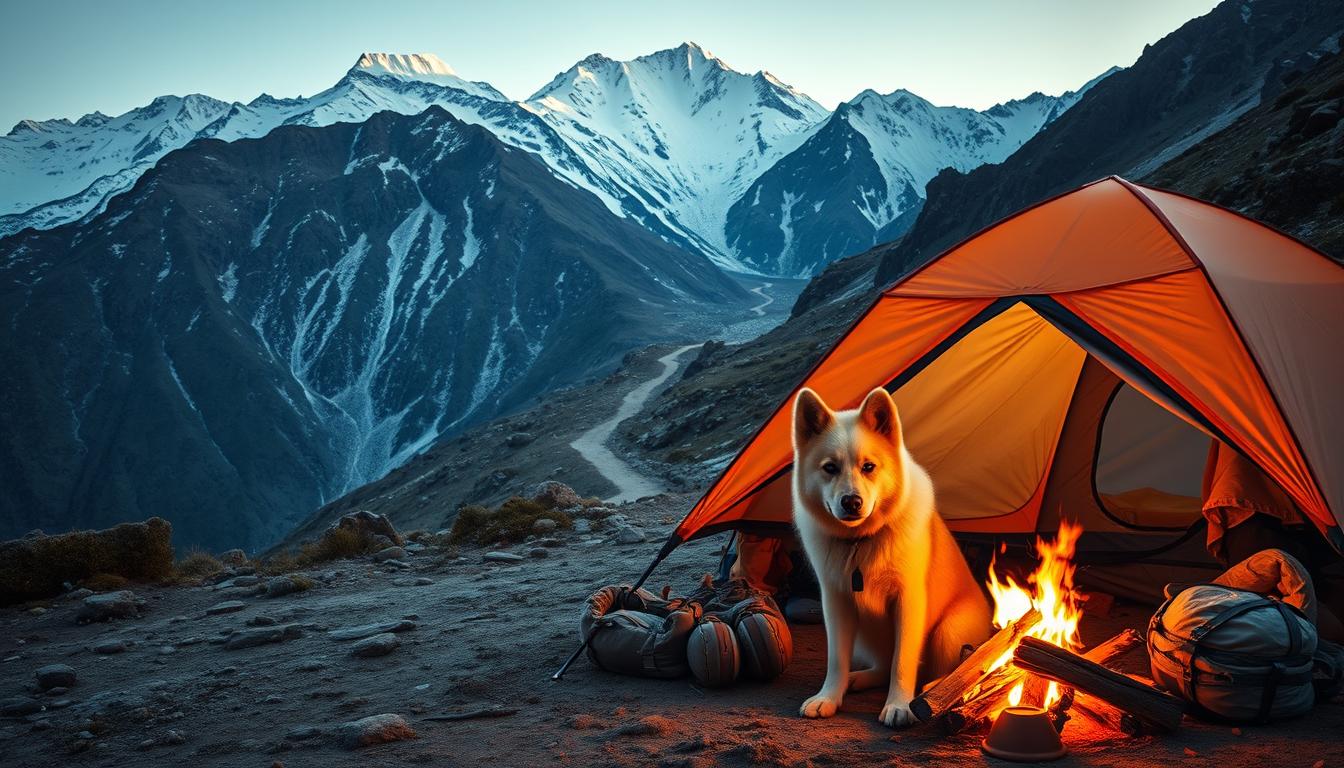
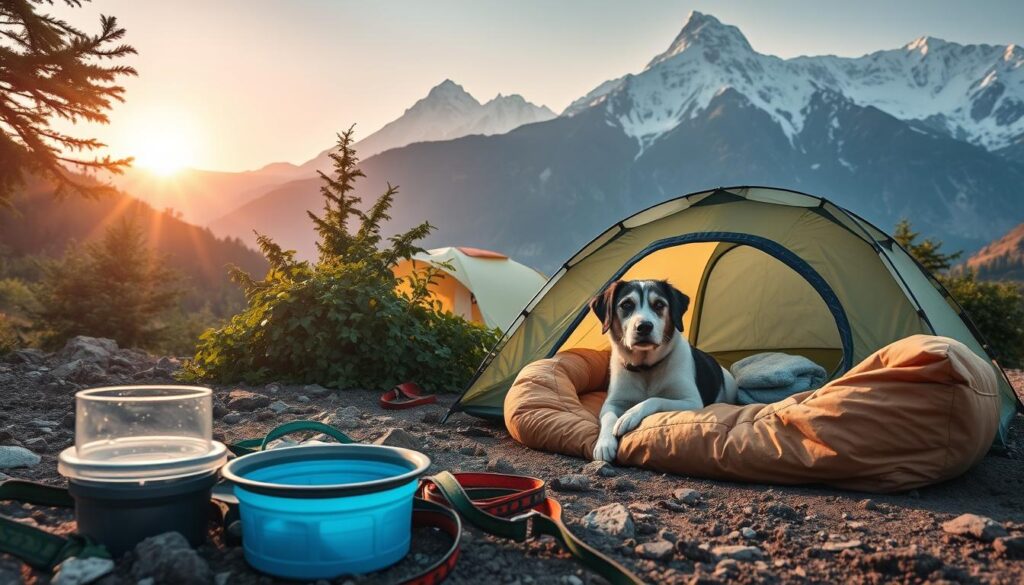
Your tent should be a cozy sanctuary for your dog. Bring a familiar blanket or bed to make it feel like home. Make sure there’s good ventilation to prevent moisture buildup. Keep the tent clutter-free to avoid hazards.
Portable Shelter Options for Various Weather Conditions
The Himalayas have unpredictable weather. A portable shelter that can handle different conditions is essential. Look for lightweight, waterproof options that are easy to set up. This will give your dog a safe place during sudden rain or snow.
Insulated Sleeping Systems for Dogs
An insulated sleeping system is vital for keeping your dog warm in cold conditions. Consider a dog sleeping bag or a heated bed for outdoor use. These systems help keep your dog’s body heat up, ensuring a comfortable night’s sleep even in freezing temperatures.
By focusing on these essential setup tips, you can create a safe and enjoyable camping experience for your dog in the Himalayas. Remember, the right gear and a well-planned setup are key to a successful adventure.
Altitude Acclimatization Strategies for Dogs
High-altitude places can be tough for dogs. It’s important to get them ready for a trip to the Himalayas. Knowing how to prevent altitude sickness and keep your dog comfortable is key.
Gradual Elevation Gain Approaches
Going up in small steps is best for acclimatization. This means climbing a little bit each day. Begin at lower heights and slowly move up over several days.
Recognizing Signs of Altitude Sickness in Dogs
It’s important to watch for signs of altitude sickness in your dog. Look for tiredness, not wanting to eat, and breathing problems. Spotting these early helps a lot.
| Elevation Level | Recommended Rest Days |
|---|---|
| Below 5,000 ft | 0-1 day |
| 5,000-8,000 ft | 1-2 days |
| Above 8,000 ft | 2-3 days |
Acclimatization Schedule Planning
Creating a good acclimatization plan is all about balance. It’s about rest days and climbing up slowly.
Rest Day Protocols at Different Elevations
Rest days are crucial at high elevations. Make sure your dog gets enough rest and watch their health closely.
Nutrition and Hydration Management
The Himalayas’ high altitude means your dog needs special care for food and water. At high elevations, dogs burn more calories to stay energized.
Calculating Increased Caloric Needs at Altitude
Dogs use more energy at high altitudes because of less oxygen. It’s key to up their calorie intake to keep them going on your camping trip. A good rule is to add 10% to 20% more calories for every 1,000 feet up.
| Elevation Gain (feet) | Caloric Increase (%) |
|---|---|
| 1,000 | 10-20 |
| 2,000 | 20-40 |
| 3,000 | 30-60 |
Water Purification Methods for Dogs
It’s vital to keep your dog’s water clean. You can use water filters or purification tablets. The
“American Kennel Club says water purification tablets are a handy and safe way to make sure your dog has clean water.”
- Choose water filters made for outdoor use.
- Look for purification tablets that are safe for dogs.
Portable Food Storage Solutions
Keeping food fresh and safe from wildlife is important. Use airtight, waterproof containers for your dog’s food.
Protecting Food from Wildlife
When camping in the Himalayas, keep your dog’s food safe from wildlife. Hang food bags at least 10 feet up and 4 feet out from the trunk to keep bears and other animals away.
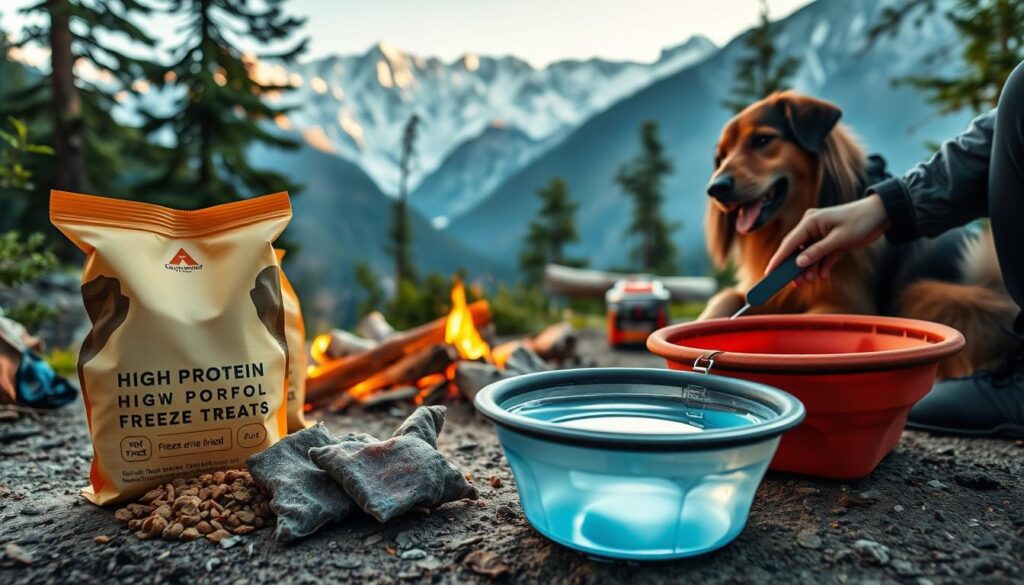
Effective nutrition and hydration management is key for a happy dog on a Himalayan camping trip. By adjusting their calorie intake, purifying their water, and storing food safely, you can have a great time with your dog.
Weather Protection and Gear Essentials
Keeping your dog safe from harsh Himalayan weather is key for a great camping trip. The extreme conditions need special gear and planning. This ensures your dog stays safe and comfortable.
Cold Weather Clothing for Dogs
Dressing your dog right in the cold Himalayas can save their life. Use dog coats or jackets that are both waterproof and breathable. These keep your dog warm and prevent moisture buildup, which can cause hypothermia.
Choose clothes with reflective materials or bright colors. This makes your dog more visible in snowy or foggy weather.
Rain and Snow Protection Systems
Keeping your dog dry and warm in rain and snow is vital. Use waterproof dog ponchos or raincoats that cover their body and neck. For snow, a dog snow jacket with a waterproof and breathable membrane is best.
These systems keep your dog dry and warm, even in extreme weather.
Paw Care in Extreme Conditions
Caring for your dog’s paws is crucial in the Himalayas. The rough terrain and harsh weather can stress their paws. Always check their paws for damage or irritation.
Booties and Natural Paw Protection Options
Dog booties protect your dog’s paws from rough terrain, ice, and salt. Pick booties that fit well and are made from durable, waterproof materials. For a natural option, apply paw wax or balm to protect their paws from cold and moisture.
Some owners use both booties and paw protection products for the best results.
Health Concerns and Emergency Response
Camping with dogs in high-altitude places like the Himalayas requires knowing about health risks. Dogs, like people, can face challenges in such extreme environments.
Common Health Issues at High Altitude
Dogs can get sick at high altitudes, just like people. They might feel tired, lose their appetite, and even vomit. Altitude sickness is a big concern.
- Dehydration: Dogs can get dehydrated because of dry air and more urine.
- Hypothermia: Cold weather, plus being wet, can cause hypothermia.
Canine First Aid Kit Essentials
A good first aid kit is key for minor injuries and emergencies. It should have bandages, antiseptic wipes, tweezers, and any needed medications.
| Item | Purpose |
|---|---|
| Bandages | Wound dressing |
| Antiseptic wipes | Cleaning wounds |
| Tweezers | Removing ticks or splinters |
Emergency Evacuation Planning
Having a plan for emergency evacuation is crucial. Know the nearest vet and how to get there.
Communication Devices for Remote Areas
Communication devices like satellite phones or GPS are essential in remote areas. They help call for help or find your dog if they wander off.
Training Your Dog for Himalayan Camping Success
To have a safe and fun Himalayan camping trip, training your dog is key. The Himalayas’ tough terrain and changing weather need a dog ready for adventure.
Essential Commands for Wilderness Safety
Teaching your dog essential commands is vital for safety in the wild. Commands like “stay,” “come,” and “heel” keep your dog safe. Use positive training to make sure your dog listens well.
Leash Training for Difficult Terrain
The Himalayas have tough paths that need a dog to walk well on a leash. Leash training stops your dog from pulling you or running away. Practice walking on uneven paths and hills to get your dog ready for the Himalayas.
Wildlife Encounter Preparation
Meeting wildlife in the Himalayas is possible. It’s important to prepare your dog for these moments. Teach your dog to stay calm and listen to you when they see animals. This keeps everyone safe.
Building Endurance Before Your Trip
Building your dog’s endurance is crucial for a great camping trip. Start with more exercise and longer walks. This gets your dog ready for the Himalayas’ high altitude and tough trails.
By focusing on these dog training areas, you can have a safe and fun Himalayan camping trip with your dog.
Navigating Regulations and Local Considerations
The Himalayas are stunning, but camping there with your dog has its challenges. You need to know the rules and respect local ways. This knowledge is key for a great and eco-friendly camping trip.
Permit Requirements for Dogs in Protected Areas
Many parts of the Himalayas are protected. If you want to bring your dog, you might need a special permit. Make sure to check the rules for your spot and follow them.
Cultural Sensitivities with Dogs in Himalayan Regions
The Himalayas have many cultures and communities. When you bring your dog, be mindful of local traditions. Some places might have rules about dogs, so it’s good to know beforehand.
Leave No Trace Principles with Pets
When camping with dogs in the Himalayas, follow Leave No Trace. This means taking care of waste, not bothering wildlife, and keeping the environment clean.
Waste Management Strategies
Managing waste is important for Leave No Trace. Always have a bag or portable toilet for your dog’s waste. Take it with you when you leave.
| Waste Management Strategy | Description | Benefits |
|---|---|---|
| Portable Dog Toilets | Lightweight, easy to use | Sanitary, convenient |
| Biodegradable Bags | Eco-friendly, compostable | Reduces environmental impact |
| Cathole Digging | For solid waste disposal | Minimizes visible impact |
By following local rules, respecting cultures, and practicing Leave No Trace, you can have a wonderful camping trip in the Himalayas with your dog.
Conclusion: Creating Memorable Himalayan Adventures with Your Dog
Going on Himalayan adventures with your dog can be incredibly rewarding. It creates memories that last a lifetime. By following the dog camping tips in this article, you can make sure both you and your pet have a great time.
Getting ready for your trip is crucial. You need to check if your dog is ready for high-altitude camping. Also, understanding the Himalayan environment’s unique challenges is important. Being aware of risks and taking precautions helps avoid problems and ensures more fun.
When planning your next Himalayan adventure, always put your dog’s safety first. With the right preparation and gear, you can have unforgettable trips with your furry friend. Whether you’re experienced or new to camping, these tips can help you enjoy your Himalayan adventures with your dog.