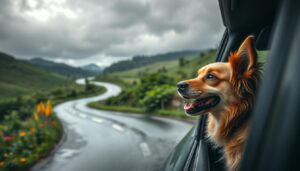
Going on a road trip with your dog can be fun. But, you need to plan well to keep everyone happy. Dog walking tips are key to a good trip for your dog.
Finding pet-friendly rest stops is crucial. They let your dog stretch and breathe fresh air. This makes the trip better for everyone. We’ll share tips on using road trip rest stops well.
Key Takeaways
- Plan your route with pet-friendly rest stops.
- Keep your dog’s leash and essentials handy.
- Be mindful of the time spent at rest stops.
- Ensure your dog stays hydrated and energized.
- Research local pet areas and parks near your route.
Planning Your Road Trip with Your Dog’s Needs in Mind
When planning a road trip with your dog, think about their needs for a comfy journey. Knowing what your dog needs is key for a stress-free trip.
Understanding Your Dog’s Normal Bathroom Schedule
Your dog’s bathroom schedule is important for a road trip. Dogs have their own habits, just like people. Knowing these habits helps plan your stops and route.
If your dog goes at certain times, plan breaks for those times. This keeps them happy and comfortable.
Adjusting Your Route for Pet-Friendly Stops
Choosing pet-friendly stops is more than just finding places for your dog to go. It’s also about giving your dog exercise. Look for dog-friendly rest stops and parks on your route.
This makes your dog’s trip more enjoyable. It keeps them happy and comfortable.
Pre-Trip Training Considerations
Pre-trip training is often forgotten. But it’s crucial for a smooth trip. Make sure your dog listens to basic commands.
Practice these commands and get your dog used to its carrier or car. This reduces stress and makes the trip better for both you and your dog.
| Pre-Trip Training Tips | Benefits |
|---|---|
| Reinforce basic obedience commands | Ensures your dog’s safety and your peace of mind |
| Acclimate your dog to its carrier or car environment | Reduces stress and anxiety during the trip |

How Often to Walk Your Dog on Road Trip Rest Stops
To keep your dog healthy and happy on your road trip, knowing when to stop is key. The breaks you take depend on your dog’s age, size, and needs.
General Guidelines Based on Dog Age and Size
Puppies and young dogs need breaks often because they have lots of energy and small bladders. Stop every hour or two for a quick walk and to let them go to the bathroom. Adult dogs can go longer, usually every 4 to 6 hours, based on their size and breed.
| Dog Age/Size | Recommended Break Frequency |
|---|---|
| Puppies (under 1 year) | Every 1-2 hours |
| Adult Small Breeds | Every 3-4 hours |
| Adult Large Breeds | Every 4-6 hours |
Signs Your Dog Needs a Break
Watch for signs your dog wants to stretch and go to the bathroom. Look for restlessness, whining, or sniffing around the car. If you see these signs, it’s time to stop at the next rest stop.
“Dogs communicate in various ways, and being attentive to their needs can make a significant difference in their comfort and happiness during travel.”
Creating a Rest Stop Schedule
Plan your trip to include rest stops for your dog. Use online tools or travel apps to find dog-friendly spots along your way. This way, you can balance driving with breaks for your dog’s exercise and bathroom needs.

Benefits of Regular Rest Stop Breaks for Your Dog
It’s key to give your dog regular breaks during road trips. These breaks are good for their health and happiness. They make a big difference in how your dog feels during the trip.
Physical Health Benefits
Breaks let your dog stretch and exercise. This is important to avoid stiffness and discomfort. Exercise helps keep your dog’s body healthy by improving blood flow and preventing blood clots.
These breaks also let your dog go to the bathroom. This keeps them clean and comfortable during the trip.

Mental Stimulation and Stress Reduction
Breaks are good for your dog’s mind too. They help reduce stress and boredom. Dogs can get anxious or bored on long drives.
By letting your dog explore and sniff, you’re keeping their mind active. This makes them happier and calmer.
Preventing Car Sickness and Anxiety
Breaks can also prevent car sickness and anxiety. Getting out of the car regularly helps. It makes your dog more comfortable with the car.
Make these breaks positive by keeping them calm and fun. This helps your dog enjoy the trip more.
In summary, regular breaks make road trips better for your dog. They improve physical health, mental well-being, and reduce stress. This ensures a happier, healthier trip for your furry friend.
Essential Items to Pack for Rest Stop Dog Walks
When you’re on a road trip with your dog, it’s important to pack the right things for walks at rest stops. Making sure your dog is comfortable and safe can make their trip better.
Leashes, Waste Bags, and Water Supplies
For a good time, you need the basics. A strong leash keeps your dog safe and close. Remember to bring enough waste bags to clean up. Also, a water supply and a portable bowl will keep your dog hydrated.

Portable Bowls and First Aid Items
Don’t forget to pack portable bowls for feeding your dog. And, a first aid kit made for dogs is a good idea. It helps with small injuries or problems.
Comfort Items and Toys
Comfort items like favorite toys or a blanket can make your dog feel better in new places. They help reduce stress and make walks more fun.
Packing these items ensures your dog stays safe, comfortable, and happy during breaks on your trip.
Finding Dog-Friendly Rest Stops Across America
Planning a road trip with your dog needs careful thought, mainly for finding pet-friendly rest stops. With the right info, you can make sure your journey is comfy for both you and your dog.
Interstate Rest Areas with Dog Walking Zones
Many interstate rest areas have pet-friendly zones for your dog to stretch and play. These spots are usually marked on highway maps. They’re a great find for dog owners. Always keep your dog on a leash and clean up after them when stopping.

Apps and Websites for Locating Pet-Friendly Stops
Today, apps and websites can help find pet-friendly stops on your way. PetFriendlyTravel.com and apps like Roadtrippers offer detailed info on rest stops and their pet rules.
State-by-State Rest Stop Pet Policies
Knowing the rest stop pet policies by state is key. Some states are more pet-friendly, while others have strict rules. For example, some states require pets to be on a leash no longer than six feet. Learning these rules ahead of time can prevent trouble for you and your pet.
By using these tools and knowing the pet rules in each state, you can plan a fun and worry-free road trip with your dog.
Safety Considerations for Walking Your Dog at Rest Stops
When you’re on a road trip with your dog, safety is key, even at rest stops. You need to watch out for a few important things. These include keeping your dog on a leash, being aware of your surroundings, and how you interact with others and their pets.
Leash Safety and Traffic Awareness
It’s vital to keep your dog on a leash for their safety and yours. Make sure the leash is the right length. A too-long leash can put your dog in danger of getting too close to cars or getting caught on things.
Always know what’s going on around you. Watch out for cars and other animals or distractions.
Avoiding Wildlife and Hazardous Plants
Rest stops can be home to wildlife, like deer or snakes, which might be a danger to your dog. Also, there might be plants that are harmful to dogs. Keep your dog on a leash and stay alert to avoid any bad encounters.
Interacting with Other Travelers and Their Pets
Rest stops are places where you’ll meet other travelers and their pets. Be polite and careful when you meet others, even if their pets are not well-behaved. Keep a safe distance and be ready for anything to make sure everyone has a good time.
By keeping these safety tips in mind, you can make sure your road trip is safe and fun for both you and your dog.
Managing Different Weather Conditions During Rest Breaks
It’s important to prepare for different weather when taking your dog on a road trip. Knowing how to adjust to various weather can make your dog’s trip more comfortable. This can also improve their overall travel experience.
Hot Weather Precautions
When it’s hot, you must take special steps to keep your dog safe. Never leave your dog in a hot car because it can cause heatstroke. At rest stops, give your dog lots of water and shade.
Try to exercise your dog when it’s cooler. Watch for signs of heat stress like too much panting or drooling.
Cold Weather and Rainy Day Strategies
In cold or rainy weather, keep your dog warm and dry. Use a waterproof coat or jacket to shield them from the weather. At rest stops, don’t let your dog stay outside too long, to avoid getting too cold.
Wipe your dog’s paws clean after walks to remove salt or ice melters.
Seasonal Considerations for Different Regions
Every region faces different weather challenges. In hot summer areas, plan rest stops for cooler times like morning or evening. In snowy places, watch out for salt and ice on your dog’s paws.
Change your rest stop plans based on the local weather and climate.
| Weather Condition | Precautions | Benefits |
|---|---|---|
| Hot Weather | Provide shade, limit exercise, watch for overheating signs | Keeps your dog cool and safe |
| Cold/Rainy Weather | Use waterproof gear, limit outside time, clean paws | Prevents hypothermia and paw damage |
Alternatives to Traditional Rest Stops
Traditional rest stops are handy, but there are other fun options for road trips with your dog. These alternatives can make your journey more exciting and varied.
Dog Parks Along Your Route
Dog parks along your route are a great choice. They offer a safe, fenced area for your dog to run and play with others. It’s a wonderful way to keep your dog active and happy during long drives.
Pet-Friendly Businesses as Break Options
Pet-friendly businesses, like some restaurants and cafes, are welcoming to dogs. They’re perfect for a break and letting your dog stretch. Some even have special dog amenities, making them great stops.
Scenic Areas and Short Hiking Opportunities
Stop at scenic spots or take short hikes with your dog. These breaks are fun for both you and your pet. They offer a chance to enjoy nature together. Always keep your dog on a leash unless it’s a designated off-leash area.
Adding these alternatives to your road trip plans makes the journey more fun for your dog.
Special Considerations for Different Dog Types
When planning your road trip, think about your dog’s special needs. This includes senior dogs, puppies, and breeds with specific needs. Each dog has different requirements that affect their comfort and safety on the road.
Senior Dogs and Puppies
Senior dogs and puppies need extra care. Senior dogs may move less and need to go to the bathroom more often. Puppies, on the other hand, need breaks for exercise and training.
For senior dogs, consider:
- More frequent rest stops for stretching and bathroom breaks
- Comfortable bedding in the vehicle
- Monitoring their health closely
Puppies need:
- Regular exercise and playtime during rest stops
- Opportunities for training and socialization
- Close supervision to prevent accidents
Breeds with Special Exercise or Bathroom Needs
Some breeds need more exercise or bathroom breaks. High-energy breeds need lots of exercise. Certain breeds may need to go to the bathroom more often because of their size or health.
Dogs with Anxiety or Motion Sickness
Dogs with anxiety or motion sickness need special care. Consider:
- Consulting with a veterinarian for advice on managing anxiety or motion sickness
- Using calming aids or medication as prescribed
- Keeping the travel environment calm and comfortable
By understanding and catering to your dog’s unique needs, you can ensure a more enjoyable and stress-free road trip for both you and your pet.
Handling Unexpected Situations and Emergencies
When you’re on a road trip with your dog, being ready for surprises is essential. Even with good planning, emergencies can still happen. It’s important to know how to react.
What to Do If Your Dog Gets Loose
If your dog escapes at a rest stop, stay calm and act fast. First, look around to find your dog. If you can’t find them, tell others and ask for help. Having a recent photo of your dog is also a good idea.
Finding Emergency Vet Care on the Road
Before you start your trip, find emergency vet clinics on your path. Many vet clinics list their services online. You can also use apps for pet-friendly travel to find vet care. Keep these contacts with you.
Dealing with Rest Stop Closures or Detours
If a rest stop is closed, look for other stops or plan a detour. Use your GPS or travel apps to find the next rest stop or a safe place to walk your dog.
Being ready for surprises on road trips with your dog can greatly improve their safety and your peace of mind.
Conclusion: Ensuring a Happy and Healthy Road Trip Experience
Planning a road trip with your dog can be fun and exciting. But, you must think about your pet’s needs. Knowing your dog’s bathroom schedule and finding pet-friendly stops can make the trip enjoyable for both of you.
Regular breaks at rest stops are key for your dog’s health and happiness. Following the dog walking tips in this guide can prevent health problems and reduce stress. It’s important to have leashes, waste bags, and water ready, no matter if you have a senior dog or a puppy.
A happy and healthy road trip is possible when you focus on your dog’s needs. Being ready for surprises and staying flexible can make the trip great for both you and your dog. With these tips and strategies, you’re all set for a wonderful journey with your furry friend.