
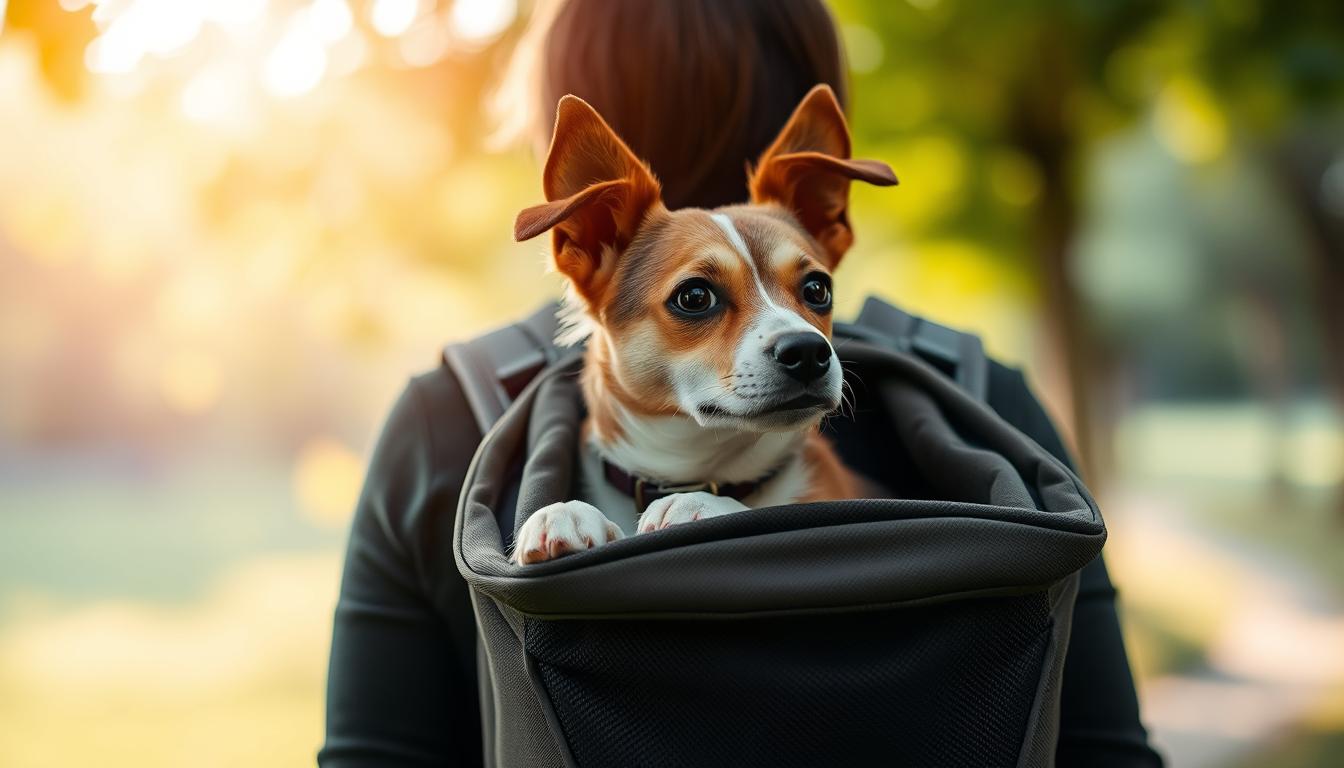
Introducing your dog to a pet backpack can be a life-changing experience for both you and your furry friend. Outdoor adventures become more enjoyable and stress-free when your dog feels comfortable in their carrier.
Acclimating your dog to a dog carrier requires patience and a gentle approach. A smooth transition is crucial to help your dog feel secure and relaxed in their new carrier.
Key Takeaways
- Gradual introduction to the pet backpack is essential.
- Start with short sessions to help your dog get accustomed.
- Positive reinforcement is key to a successful transition.
- Choose a comfortable and well-ventilated dog carrier.
- Be patient and consistent in your training approach.
Why Use a Dog Backpack Carrier?
A dog backpack carrier is a great way to bring your dog along on outdoor adventures. It’s perfect for hiking, traveling, or just running errands. These carriers make a big difference for pet owners.
Benefits for Small and Medium Dogs
Small and medium-sized dogs really benefit from backpack carriers. They let owners take their pets on fun trips without making them uncomfortable. The carriers spread out the dog’s weight, making it easier to carry them for a long time.
Key benefits include:
- Reduced strain on the owner
- Increased comfort for the dog
- Enhanced safety during travel
| Dog Size | Carrier Benefits | Travel Suitability |
|---|---|---|
| Small | Comfortable, secure | High |
| Medium | Spacious, ventilated | High |
Situations Where Carriers Are Essential
There are many times when a dog backpack carrier is a must-have. For example, on hiking trips, it lets dogs rest when they’re tired. This way, they can enjoy the trip without getting too worn out.
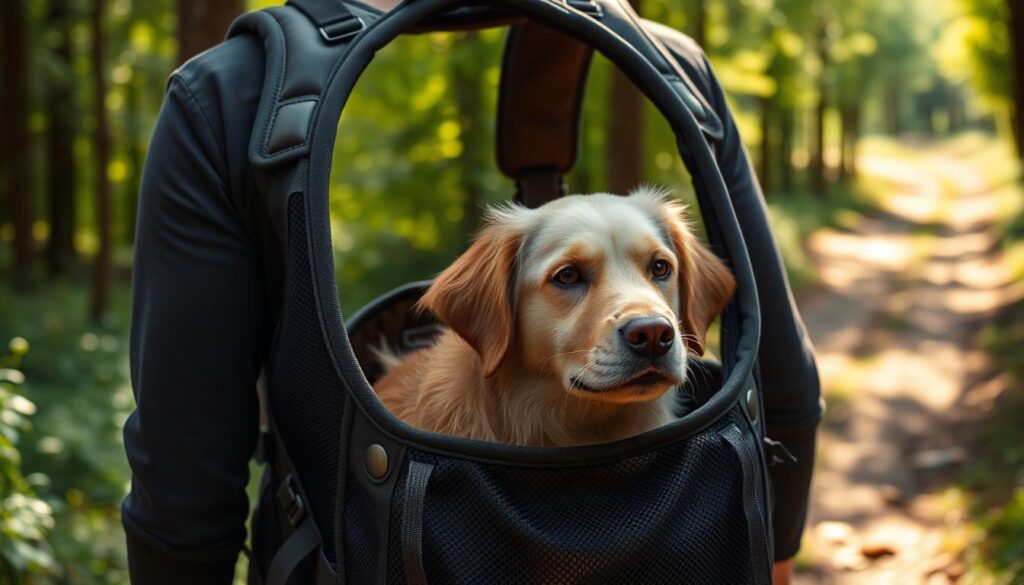
Other times you’ll need a carrier include busy city streets, long walks, and when using public transport. In these cases, a dog backpack carrier offers a safe and cozy spot for your dog.
Understanding Your Dog’s Comfort Zone
It’s key to know your dog’s comfort zone when introducing a backpack carrier. You need to spot stress and anxiety signs and understand their personality. This helps you train them in the best way.
Recognizing Signs of Stress and Anxiety
Dogs show certain behaviors when they’re stressed or anxious. Look for panting, pacing, yawning, or trying to get out of the carrier. Catching these signs early helps avoid bad feelings about the carrier.
Common signs of stress in dogs:
- Panting or rapid breathing
- Pacing or restlessness
- Yawning or licking lips
- Avoiding eye contact
- Trying to hide or escape
Assessing Your Dog’s Temperament
Every dog is different in how they react to a backpack carrier. Some are curious and adventurous, while others are more cautious or fearful. Knowing your dog’s temperament helps you train them right.
| Temperament Type | Characteristics | Acclimation Tips |
|---|---|---|
| Curious/ Adventurous | Eager to explore, adaptable | Introduce the carrier gradually, encourage exploration |
| Cautious/ Fearful | Slow to trust, may be anxious | Start with short introductions, use positive reinforcement |
| Confident/ Outgoing | Social, not easily stressed | Quick introduction, focus on comfort and safety features |

Choosing the Right Backpack Carrier for Your Dog
Finding the right dog backpack is crucial for a great adventure. A good carrier ensures your dog is comfortable and safe. It makes a big difference in their travel experience.
Size and Weight Considerations
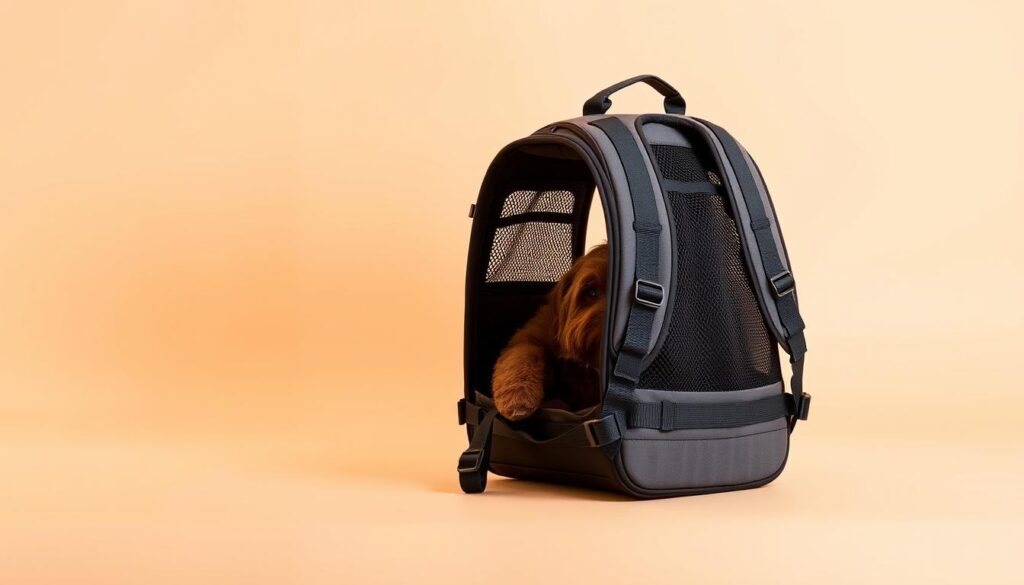
When picking a pet backpack, think about your dog’s size and weight. A carrier that’s too small is uncomfortable. One that’s too big might not support your dog well. Measure your dog’s length, width, and height to find the perfect size. Also, make sure the carrier can hold your dog’s weight safely.
Key measurements to consider:
- Length: Measure from the base of the neck to the base of the tail.
- Width: Measure across the widest part of the chest or shoulders.
- Height: Measure from the top of the head or ears to the ground.
Ventilation and Comfort Features
Good ventilation is key for your dog’s comfort in a carrier. Look for ones with breathable materials and mesh panels. Adjustable ventilation is a plus. Padded interiors, cushioning, and soft materials also add to your dog’s comfort.
“A well-ventilated carrier can help reduce stress and anxiety in dogs by providing a comfortable environment.”
Safety Features to Look For
Safety is paramount when choosing a dog backpack. Look for secure closures like zippers or buckles. Carriers with reflective materials or safety harnesses are also good. Training your dog can help keep them safe in the carrier too.
By considering these points, you can find a dog carrier that’s safe and comfy for your pet.
Essential Supplies for Successful Acclimation
Getting your dog used to a backpack carrier is more than just showing it to them. You need the right stuff to make them feel comfy and safe. This is key for a smooth transition.
Treats and Rewards
Using treats and rewards is a big part of getting your dog used to the carrier. Positive reinforcement makes them think the carrier is a good thing. Pick their favorite treats to help them want to get in the carrier.
Comfort Items from Home
Bringing things from home can really help your dog feel better. Things like their favorite toy or blanket can make them feel safe. Putting these items in the carrier makes it feel like a cozy spot.
Training Tools
Training tools are important for teaching your dog to use the carrier. Clickers and verbal cues help them learn good habits. A good training plan makes things easier for both you and your dog.
| Supply | Purpose |
|---|---|
| Treats and Rewards | Positive Reinforcement |
| Comfort Items | Reducing Anxiety |
| Training Tools | Guiding Behavior |
Dog training experts say the right stuff really helps your dog get used to the carrier fast. With these key supplies, you can make a happy and safe space for your dog.
How to Acclimate Your Dog to a Backpack Carrier: Step-by-Step Guide
Understanding your dog’s comfort zone is key to acclimating them to a backpack carrier. Start by taking small steps to help them get used to it. This approach makes the process easier for both you and your dog.
Initial Introduction Phase
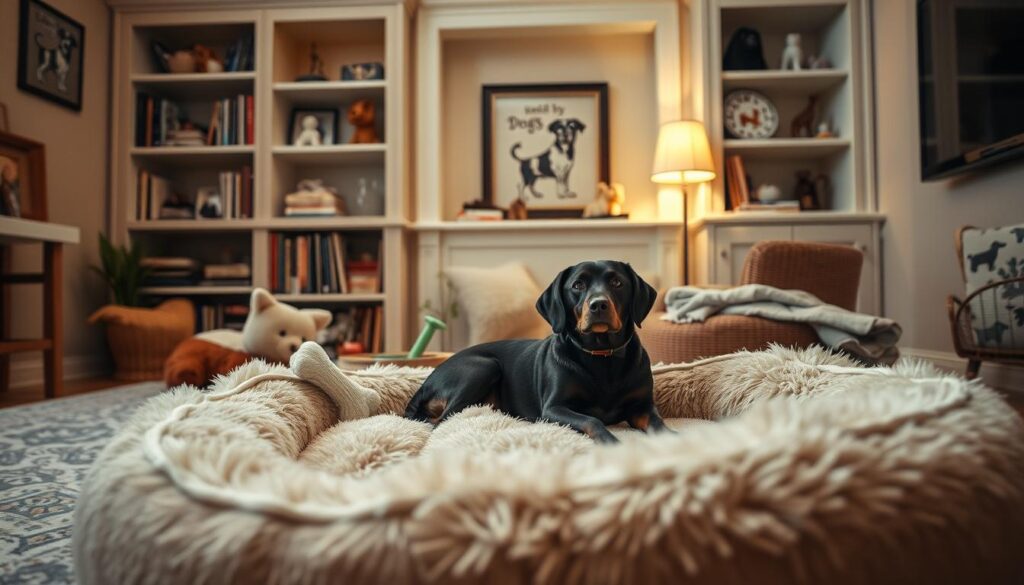
Start by letting your dog explore the backpack carrier at their own pace. Place it in a familiar spot, like your living room. Use treats and praise to encourage them to check it out.
As they get more comfortable, introduce the idea of entering the carrier. Use positive words and treats to help them feel good about stepping inside.
Short Practice Sessions
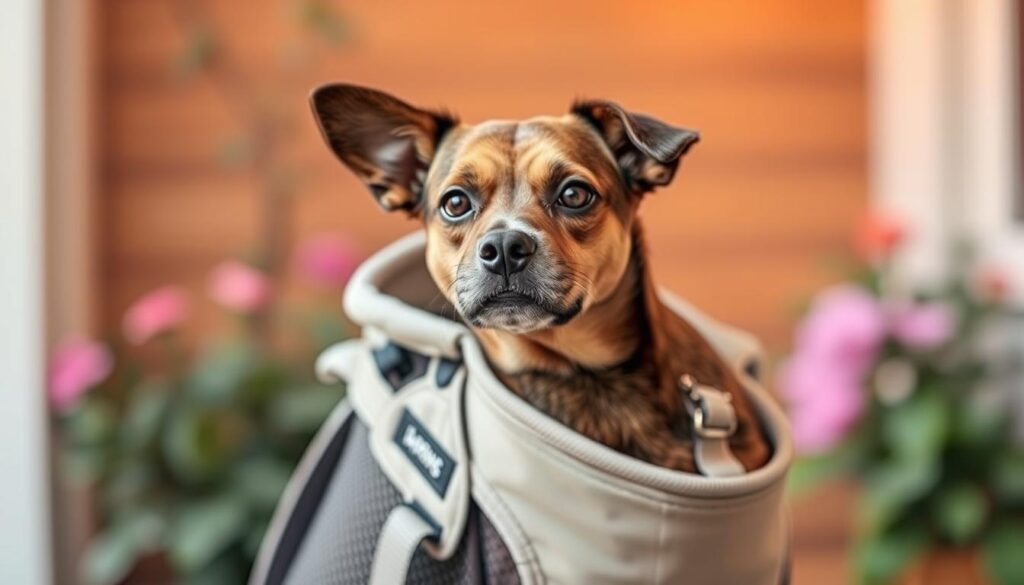
When your dog is okay with entering the carrier, start short practice sessions. Have them sit or lie down inside, then close the zippers. Reward them with treats. Begin with short times and increase it as they get used to it.
Gradual Duration Increases
As they get more comfortable, you can increase the time in the carrier. Always watch your dog’s comfort level. “Patience is key when it comes to dog training,” experts say.
Moving with the Carrier
The last step is to move around with the carrier. Start with short walks around the house or yard. Gradually increase the distance and complexity. This helps them get used to the motion.
Stay calm and positive during this time. Your dog will sense your mood. With regular practice and positive feedback, they’ll learn to enjoy their backpack carrier.
Troubleshooting Common Acclimation Challenges
When you start using a backpack carrier for your dog, you might face some issues. Getting your dog used to a pet backpack takes time, patience, and care. Some dogs might not like the carrier, try to get out, or feel sick from moving.
Dealing with Resistance and Fear
If your dog is scared or resistant to the dog carrier, go slow. Let your dog get to know the carrier on its own terms. Use treats and positive words to help your dog see the carrier as a good thing.
Managing Escape Attempts
Dogs that try to get out of the pet backpack need your quick help. Make sure the carrier is secure and closed right. Teaching your dog to stay calm in the carrier can also help.
Addressing Motion Sickness
Some dogs get sick when they’re in a dog carrier. Start with short walks and slowly make them longer. Keeping your dog relaxed and talking to a vet about motion sickness can help too.
Understanding and solving these common problems can make your dog more comfortable in a pet backpack. Being patient and gentle is crucial for your dog’s adjustment.
Building Positive Associations with the Carrier
Creating a positive bond between your dog and the carrier is crucial for successful dog training. This process involves steps to make the carrier a cozy and inviting place. It helps reduce stress when traveling with your pet.
Reward-Based Training Techniques
Reward-based training is a great way to teach your dog. By linking the carrier to good things like treats and praise, your dog will learn to like it. Begin by placing treats near the carrier, then inside it, and reward your dog for entering.
Consistency is key in this training. Make sure everyone uses the same commands and rewards. This avoids confusing your dog.
Creating a Safe Space Mentality
To make the carrier a safe space, add something familiar like a blanket or toy. These items should remind your dog of safety and comfort. This can lessen anxiety and make the carrier a desirable place.
“The more positive experiences your dog has in the carrier, the more likely they are to see it as a safe space.”
By following these steps and being patient, you can help your dog get used to the carrier. This makes traveling together much easier.
Preparing for Your First Outing
Before your dog’s first trip in a backpack carrier, prepare them well. This makes sure you both have fun. A ready dog will feel more at ease and less stressed.
Short Trial Runs
Start with short walks around the house or yard. This helps your dog get used to the carrier. Begin with short walks and then make them longer. Always give treats and praise for calm behavior.
Monitoring Your Dog’s Comfort Level
Keep an eye on your dog’s comfort during these walks. Look for signs like panting, trying to get out, or whining. If you see these, slow down or take a break. The goal is to keep the experience good for your dog.
Adjusting Based on Feedback
Listen to your dog’s reactions and adjust as needed. If they seem to like it, keep going. But if they’re stressed, slow down or get help from a dog trainer.
| Preparation Step | Action | Benefit |
|---|---|---|
| Short Trial Runs | Conduct short walks around the house or yard | Helps dog get accustomed to the carrier |
| Monitoring Comfort | Watch for signs of stress or discomfort | Ensures a positive experience for the dog |
| Adjusting Approach | Adjust pace or take breaks as needed | Builds trust and reduces stress |
By following these steps and paying attention to your dog, you can have a great first outing with your dog in a backpack carrier.
Maintaining and Cleaning Your Dog’s Backpack Carrier
Keeping your dog’s carrier in good shape is key. It makes sure your pet stays healthy and happy. It’s not just about cleaning; it’s about making a safe and comfy spot for your dog.
Regular Cleaning Routine
It’s important to clean your carrier often. Use a gentle soap and warm water. Make sure to clean the parts where your dog’s fur and paws touch. Then, rinse well to get rid of any soap.
Addressing Wear and Tear
Check the carrier often for wear and tear. Look for frayed straps or broken zippers. Fix these problems right away to keep your dog safe.
Storage Between Uses
Store the carrier in a cool, dry place when you’re not using it. Keep it away from sunlight. This helps the materials last longer and keeps the carrier ready for the next time.
Conclusion
Getting your dog used to a backpack carrier takes time, patience, and a clear plan. By following the steps in this article, you can make your dog feel safe and happy in their carrier. This will make your outdoor adventures together even better.
Teaching your dog to use the carrier is essential. Start by introducing it slowly, use positive rewards, and practice for short times. This not only helps your dog get used to the carrier but also strengthens your bond through fun travel experiences.
With the right preparation, you’re ready for exciting trips with your dog. The main goal is to keep your dog safe and comfortable in the carrier. This way, your travels together will be enjoyable and worry-free.


