

Are you ready to take your dog’s agility skills on the road? Dog agility training is more than just competing. It’s about strengthening your bond with your pet and exploring new places together.
With the right preparation and travel agility courses, you and your dog can shine in agility competitions around the world. Expert trainers stress the need to get your dog used to different terrains, obstacles, and travel conditions. This ensures a smooth move from home training to competitive events.
Starting this journey needs patience, consistency, and positive reinforcement. By focusing on your dog’s strengths and weaknesses, you can create a training plan that fits their needs.
Key Takeaways
- Understand the basics of dog agility training.
- Prepare your dog for travel by acclimating them to new environments.
- Focus on building a strong bond with your dog through consistent training.
- Identify your dog’s strengths and weaknesses to tailor a training program.
- Use positive reinforcement to encourage your dog’s progress.
Understanding Dog Agility Travel Competitions
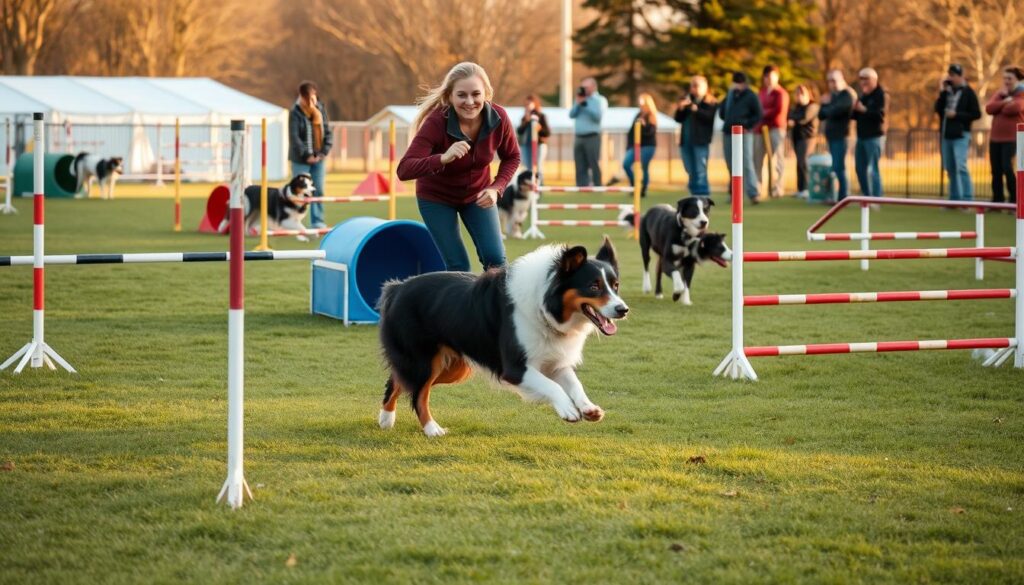
For dog owners who love traveling with their pets, agility competitions are a thrilling adventure. These events feature dogs and their handlers navigating obstacle courses in various places.
What Are Travel Agility Courses?
Travel agility courses are dog agility competitions held in different spots, often requiring travel. These courses test dogs’ agility, speed, and teamwork with their handlers.
Benefits of Participating in Travel Agility Events
Travel agility events are great for dogs and their owners. They improve the dog’s physical fitness, mental stimulation, and bond with the handler. Owners get to meet new people and enjoy traveling with their pets.
“Agility training is not just about the physical exercise; it’s about building a strong, trusting relationship between dog and handler.” – Jane Smith, Agility Trainer
Popular Agility Organizations and Competitions
Many organizations host dog agility competitions. Some top ones include:
| Organization | Description |
|---|---|
| USDAA | United States Dog Agility Association, known for its challenging courses and large events. |
| AKC | American Kennel Club, offers agility competitions as part of its event lineup. |
| NADAC | North American Dog Agility Council, focuses on fast-paced, exciting agility events. |
These organizations set up a fun and competitive environment for dog agility competitions.
Essential Equipment for Travel Agility Training
To do well in travel agility courses, you need the right gear. Training your dog for agility competitions means picking the best equipment. It should be both useful and easy to carry.
Portable Agility Equipment
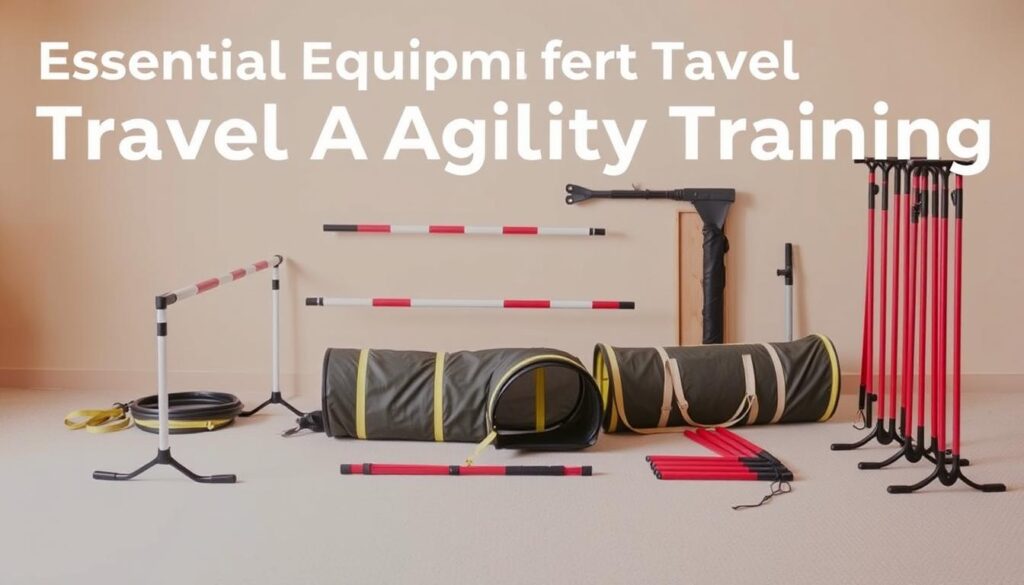
For travel agility, your equipment must be light and simple to carry. Portable agility tunnels, collapsible jumps, and small weave poles are key. They should be tough, simple to put up, and work well in different weather.
Training Aids and Reward Systems
Good training aids include clickers, verbal cues, and various treats. A solid reward system is key to keep your dog motivated. Choose healthy, small treats that are easy to eat fast.
Travel-Friendly Gear for Competition Days
On competition days, the right gear is crucial. You’ll need a portable crate, water, and a first-aid kit. Having a checklist of all your items helps avoid forgetting anything.
| Equipment Type | Description | Benefits |
|---|---|---|
| Portable Tunnels | Lightweight, collapsible tunnels | Easy to transport, quick to set up |
| Collapsible Jumps | Folding jumps for agility training | Space-saving, durable |
| Weave Poles | Compact, adjustable weave poles | Versatile, easy to store |
Assessing Your Dog’s Suitability for Agility
When thinking about agility for your dog, look at their breed, age, health, and temperament. Different breeds have unique physical traits that impact their agility.
Breed Considerations and Physical Attributes
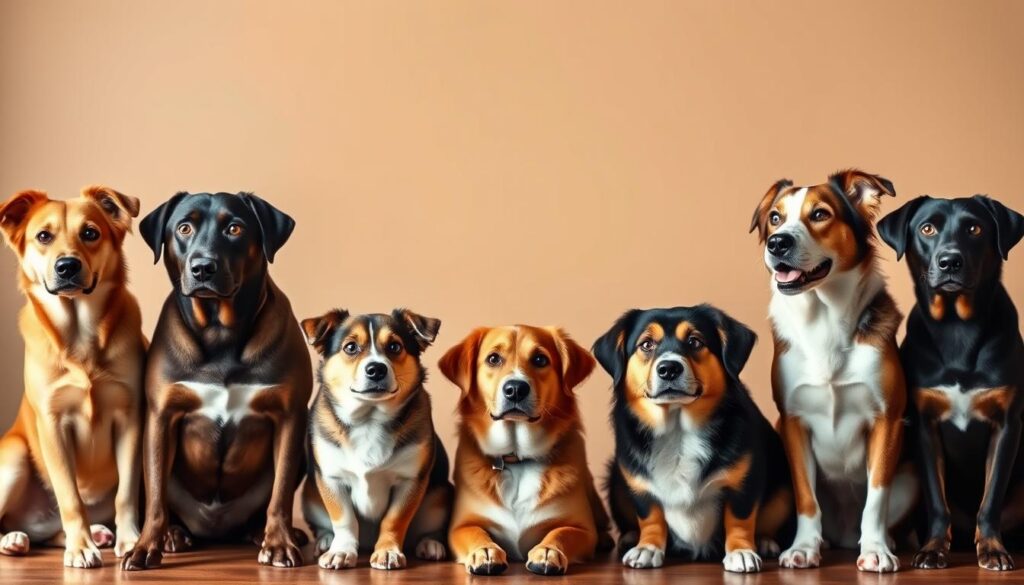
Some breeds are naturally good at agility because of their athleticism and physical traits. For example, Border Collies and Australian Shepherds excel in agility.
Age and Health Requirements
Your dog’s age and health are key to their agility readiness. Puppies should avoid high-impact activities until their bones are fully grown.
Temperament Evaluation for Travel Readiness
A dog’s temperament is crucial for agility and traveling. A calm and focused dog does well in new places.
Building a Strong Foundation: Basic Commands
Basic commands are the first step to your dog’s agility success. These commands are the foundation for more complex training. They help improve your dog’s focus, discipline, and agility performance.
Essential Obedience Commands for Agility
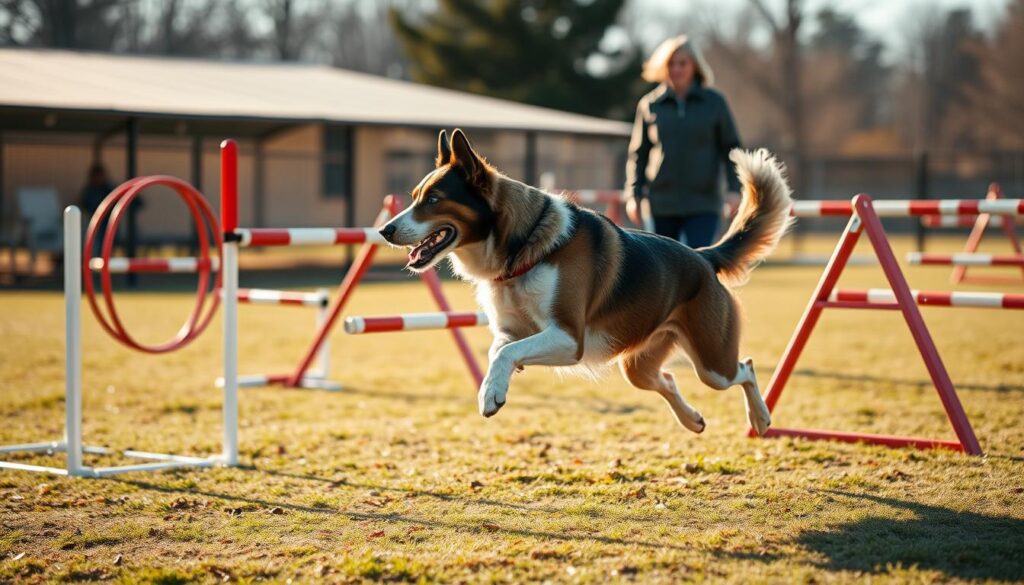
Your dog needs to know basic commands like “sit,” “stay,” “come,” and “leave it.” These commands strengthen your bond and prepare your dog for advanced training. For instance, a dog that can “stay” well will do great on the pause table.
Focus and Attention Training in Distracting Environments
Agility courses have distractions like other dogs and loud noises. It’s important to train your dog to stay focused. Start by adding distractions during training and reward your dog for staying focused.
Impulse Control Exercises for Course Discipline
Impulse control is key for agility success. Exercises like “wait at the gate” and “leave the obstacle alone” teach self-control. A disciplined dog can better handle agility course challenges.
| Command | Purpose | Agility Application |
|---|---|---|
| Sit | Establishes discipline | Pause table obstacle |
| Stay | Maintains control | Contact obstacles |
| Come | Recalls dog to handler | Course navigation |
Focus on these key elements to build a strong foundation for your dog’s agility training. With regular practice and positive feedback, your dog will be ready for agility challenges.
How to Train Dog for Travel Agility Courses: Step-by-Step Approach
To succeed in travel agility, dog owners must adopt a progressive training strategy. This means exposing your dog to different settings and surfaces. It prepares them for the challenges of agility courses in various locations.
Creating a Progressive Training Schedule
Developing a progressive training schedule is key. It should start simple and get harder over time. Include various obstacles and commands. Here are some important elements:
- Begin with basic obedience commands and then add agility obstacles.
- Make the courses more complex as you go along.
- Practice often, aiming for 2-3 sessions a week.
Adapting to Different Environments and Surfaces
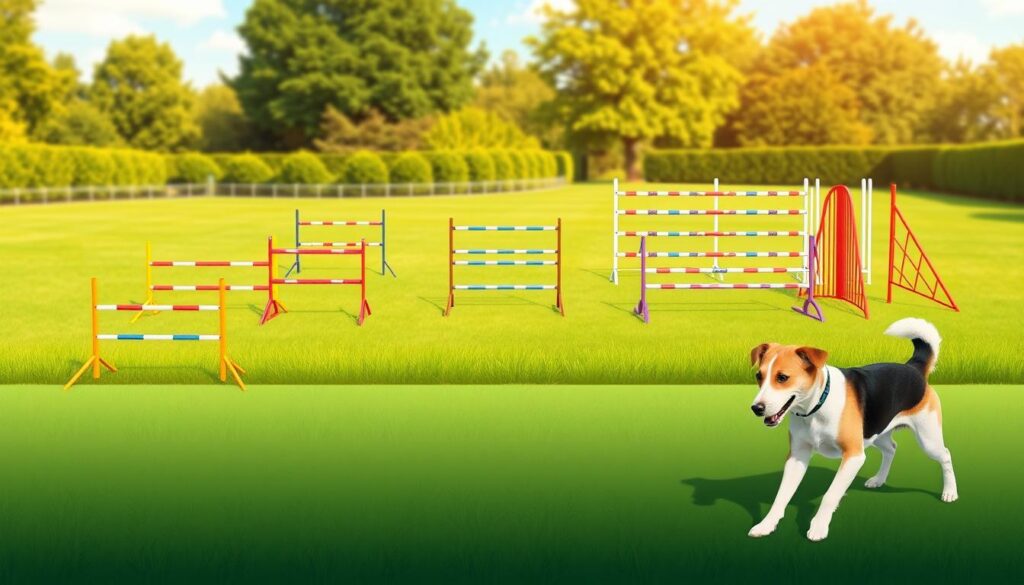
Agility training should not be limited to one place or surface. Expose your dog to different environments. Try grass, concrete, and indoor mats to improve their adaptability.
Building Confidence in New Locations
Confidence is crucial for your dog’s success in agility courses. When you introduce new places, start with familiar obstacles. Then, add new ones slowly. This builds trust and confidence.
Simulating Competition Conditions
To get your dog ready for competition, simulate the conditions during training. Try to mimic the noise, crowd, and course layout of a real agility competition.
By following these steps and keeping a consistent progressive training schedule, you’ll prepare your dog for success in travel agility courses.
Mastering Individual Obstacles
Mastering individual obstacles is key to winning in dog agility competitions. Agility training has many challenges, each needing its own skills and techniques. By focusing on each obstacle, your dog will grow more confident and skilled in complex courses.
Jump Training Techniques
Jump training is a basic part of agility training. Start with low jumps and slowly raise them as your dog gets used to it. Proper technique is vital to avoid injuries.
Weave Pole Navigation
Weave pole training needs precision and speed. Start with a few poles and add more as your dog gets better. Positive reinforcement is crucial for success.
| Obstacle | Training Tip |
|---|---|
| Jumps | Start with low heights and increase gradually |
| Weave Poles | Begin with a few poles and add more as your dog becomes more confident |
| Contact Obstacles | Focus on proper contact and dismount techniques |
Contact Obstacles: A-Frame, Dog Walk, and Teeter
Contact obstacles like the A-frame, dog walk, and teeter need careful training. Teach your dog to make proper contact and dismount correctly.
Tunnel and Chute Training
Tunnel and chute training teaches your dog to run through enclosed spaces. Start with short tunnels and make them longer as your dog gets better. Encouraging your dog to run through the tunnel with enthusiasm is key.
Pause Table Discipline
The pause table requires your dog to stop and stay on the table for a while. Teach your dog to stay calm and release on command.
By mastering these obstacles, you and your dog can shine in agility competitions. Keep training sessions positive and rewarding, and celebrate your dog’s efforts and wins.
Advanced Handling Techniques for Agility Courses
Advanced handling techniques are key to unlocking your dog’s full potential in agility. As handlers progress, mastering these techniques is crucial for success.
Front and Rear Crosses
Front and rear crosses are essential advanced techniques. A front cross means the handler crosses in front of the dog. A rear cross means crossing behind. Both need precise timing and clear communication.
Blind Crosses and Side Changes
Blind crosses happen when the handler crosses without being seen. The dog must stay focused and trust the handler. Side changes require the handler to switch sides, needing flexibility and coordination.
Distance Handling Skills
Developing distance handling skills lets handlers guide dogs from afar. This boosts the dog’s independence and the team’s performance. It’s very useful in complex courses.
Verbal and Non-verbal Communication
Good verbal and non-verbal communication is crucial for agility success. Handlers must use clear commands and body language. This builds a strong partnership based on trust and understanding.
Preparing Your Dog for Travel Stress
Traveling to new agility competitions can be exciting but stressful for dogs and their owners. To reduce this stress, it’s key to prepare your dog for travel challenges.
Crate Training for Long-Distance Travel
Crate training is crucial for long trips. It gives your dog a safe, comfy spot during travel. Here’s how to crate train your dog:
- Start by making the crate a positive place with treats and praise.
- Gradually increase the crate time, beginning with short periods.
- Keep the crate cozy with familiar bedding.
Acclimating to Different Environments and Weather Conditions
Help your dog get used to different places and weather. This can reduce travel stress. Introduce them to various surfaces, temperatures, and weather.
Managing Pre-Competition Anxiety
It’s important to manage your dog’s pre-competition anxiety. Create a calming routine before competitions to help them relax.
Creating Consistent Routines Away from Home
Keep routines consistent while traveling to help your dog feel stable. Stick to regular feeding, exercise, and training times to avoid disruption.
Nutrition and Conditioning for Traveling Agility Dogs
Good nutrition and conditioning are key for your dog’s success in agility. A well-fed and fit dog can do better in competitions.
Dietary Considerations for Athletic Dogs
Athletic dogs need a diet full of high-quality protein and balanced nutrients. Their food should help them stay energetic and recover from workouts.
Physical Conditioning Programs
A good conditioning program boosts your dog’s agility and endurance. It includes running, jumping, and strength exercises.
| Conditioning Aspect | Exercises |
|---|---|
| Agility | Weave poles, tunnels |
| Endurance | Running, long jumps |
Recovery and Rest Protocols
Rest and recovery are key to avoiding injuries and keeping performance high.
Hydration Strategies for Competition Days
Make sure your dog stays hydrated, even more so on competition days. Give them water often and check their hydration.
Troubleshooting Common Agility Training Challenges
Agility training is a journey that needs patience, persistence, and strategies. You and your dog will face several hurdles as you explore travel agility courses. These challenges can slow your progress.
Overcoming Obstacle Fear and Hesitation
One common challenge is obstacle fear or hesitation. Start by breaking down obstacles into smaller parts. For example, if your dog is hesitant to jump, start with low-height jumps. Gradually increase the height as their confidence grows.
Positive reinforcement is key; reward your dog with treats and praise for each successful attempt.
Addressing Speed and Motivation Issues
Speed and motivation are crucial for success in agility courses. If your dog is slow, try short sprints and playful activities in training. For motivation, use various rewards and keep training sessions fun.
Managing Distractions at Competition Venues
Competition venues can distract dogs. To manage distractions, gradually expose your dog to different environments and stimuli during training. Practice focus exercises to help your dog stay focused amidst distractions.
Dealing with Training Plateaus
Training plateaus are normal. To overcome a plateau, reassess your training approach and make necessary adjustments. Consider introducing new obstacles or varying your training routine to keep your dog engaged and challenged.
By understanding and addressing these common challenges, you can ensure a successful and enjoyable agility training experience for both you and your dog.
Competing in Your First Travel Agility Event
Getting ready for your first travel agility event is exciting but also a bit nerve-wracking. This big step in your agility journey needs careful planning. It’s important for a good experience for both you and your dog.
Registration and Preparation
First, you need to register for the event. Read the rules, understand the dog registration, vaccinations, and equipment needs. Prepare your dog’s travel crate and gather all necessary documents and gear.
Day-of-Event Routines
Having a routine on the day of the event can help you relax. Arrive early to set up and get to know the venue. Stick to your dog’s regular feeding schedule and make sure they rest well before competing.
Handling Mistakes and Learning Opportunities
Be ready for any mistakes during the competition. Instead of getting upset, see these as learning opportunities. They can help you and your dog do better next time.
Setting Realistic Expectations
Your first competition is about learning and having fun with your dog. Set realistic goals, like finishing the course without mistakes or just enjoying it together. Celebrate your wins, no matter how small.
By preparing well, staying calm, and enjoying the moment, you and your dog will have a great time at your first travel agility event.
Conclusion: Building a Lifelong Agility Partnership
Starting to train your dog for travel agility courses is more than just competing. It’s about creating a lasting bond. By following the advice in this article, you can build a strong relationship with your dog.
A good agility partnership is based on trust, clear communication, and respect. Keep training and competing to understand your dog better. This journey will improve your dog’s skills and your connection with them.
With hard work, patience, and the right training, you and your dog can have many successful years together. Focus on your dog’s happiness and well-being. This will make your time together rewarding and strengthen your partnership.


