Helping your dog feel comfortable in the car is key for fun trips. Many dogs get anxious during car rides. This can stress out both the pet and the owner.
Knowing why your dog might be anxious helps. Start by slowly getting them used to the car. This makes car rides less scary and more fun. It’s all about gently introducing them to the car to reduce stress.
Key Takeaways
- Understand the causes of dog anxiety during car travel.
- Implement gradual exposure to car travel.
- Make car rides more enjoyable for your dog.
- Reduce stress and anxiety for both you and your pet.
- Create a comfortable car environment for your dog.
Why Some Dogs Fear Car Travel
Dogs often feel anxious or scared when they’re in cars. It’s important to know why this happens. Understanding these reasons helps make car rides better for them.
Common Causes of Car Anxiety in Dogs
There are several reasons why dogs might get anxious in cars. Some common ones include:
- Lack of exposure to car travel at a young age
- Past traumatic experiences associated with car rides
- Motion sickness
- The confined space of a vehicle
- Unfamiliar noises and movements
Finding out what makes your dog anxious is the first step. Knowing the cause helps you come up with a plan to make them feel better.
Signs Your Dog is Stressed During Car Rides
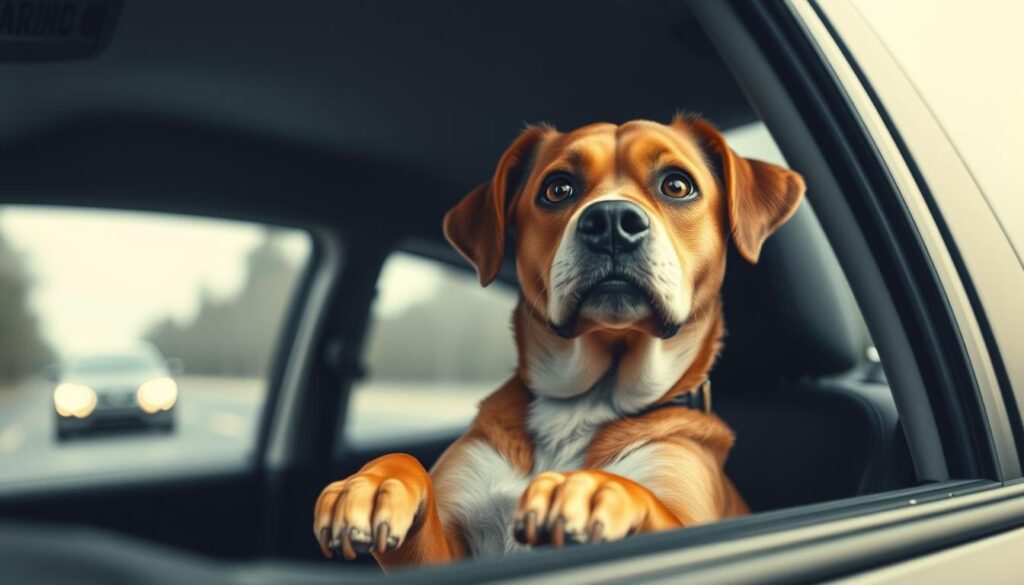
It’s important to know when your dog is stressed in the car. Look out for signs like:
- Panting and pacing
- Whining or barking excessively
- Restlessness and agitation
- Shaking or trembling
Seeing these signs means you can start to help your dog feel less stressed. You might try desensitization, positive reinforcement, or get help from a dog trainer or vet.
Helping your dog overcome car anxiety takes time and effort. By understanding and addressing their stress, you can make car rides better for them.
Preparing for the Acclimation Process
Before you start acclimating your dog to car travel, it’s crucial to prepare both your vehicle and your dog for the journey ahead. A well-prepared environment can significantly reduce your dog’s stress and make the acclimation process smoother.
Creating a Positive Association with Your Vehicle
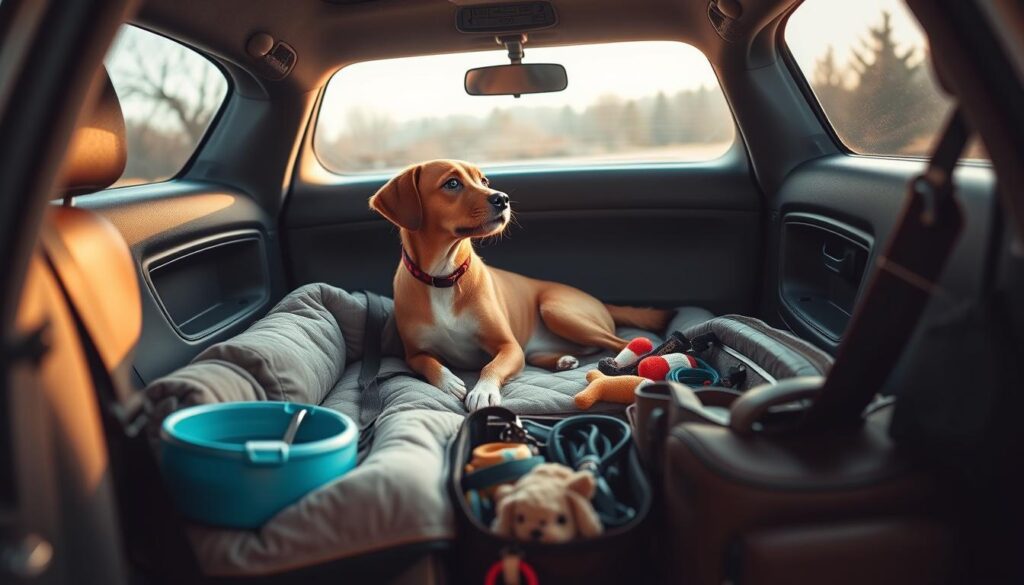
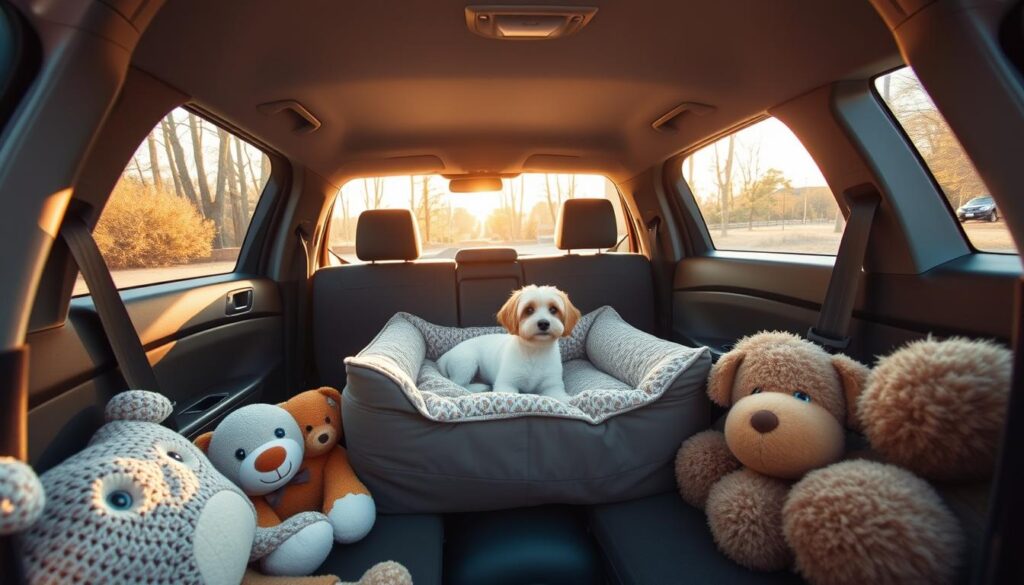
To create a positive association with your car, start by making the vehicle a comfortable and welcoming space. Add your dog’s favorite bedding or blankets and some of their favorite toys. This will help your dog associate the car with positive experiences.
Essential Supplies for Comfortable Car Travel
Gathering the right supplies is crucial for comfortable car travel with your dog. Here are some essentials to consider:
| Supply | Purpose |
|---|---|
| Comfortable Bedding | Provides a familiar and cozy space for your dog |
| Favorite Toys | Offers comfort and distraction during travel |
| Treats | Positive reinforcement for good behavior |
| Water and Food Containers | Ensures your dog stays hydrated and fed |
Setting Realistic Expectations and Timeframes
It’s essential to set realistic expectations for your dog’s acclimation process. Understand that acclimating to car travel can take time, and it’s crucial to be patient. Gradually increasing exposure to car travel will help your dog become more comfortable.
By preparing your vehicle and your dog adequately, you can make the acclimation process more efficient and less stressful for both you and your dog.
How to Gently Acclimate Your Dog to Car Travel
To make car rides enjoyable, acclimating your dog is key. This process involves several steps. These steps help your dog get used to car travel, making it less stressful for both of you.
The Importance of Gradual Exposure
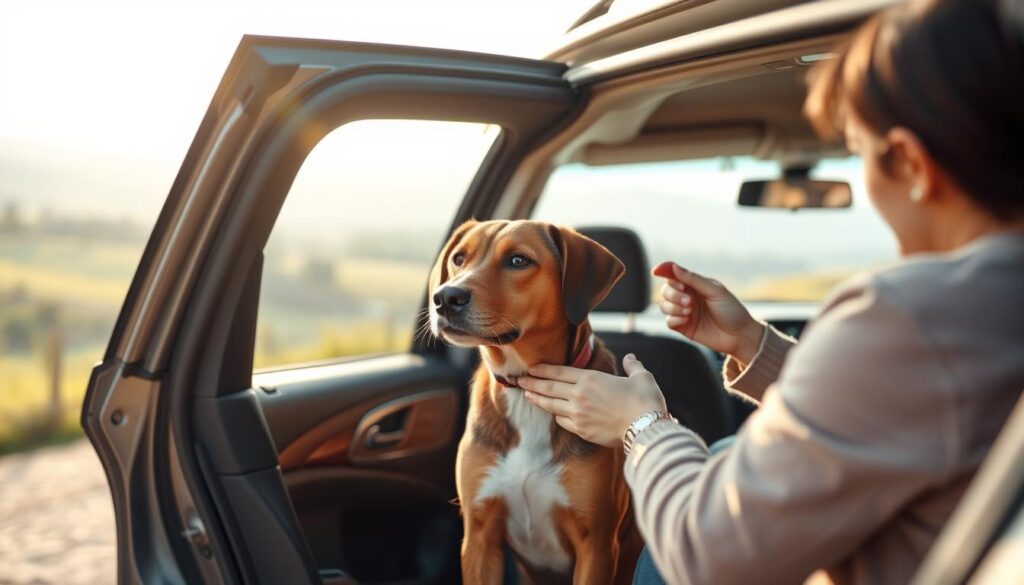
Gradual exposure is vital for dog acclimation. Start with small steps, like letting your dog explore the car when it’s still. This initial step helps your dog get used to the car’s environment without feeling too much.
By slowly increasing your dog’s car exposure, you can lower their anxiety and stress. This gradual approach lets your dog learn at their own pace, making the process more effective.
Step-by-Step Desensitization Techniques
Desensitization techniques are crucial for your dog’s comfort in the car. Here are some step-by-step desensitization techniques to try:
- Let your dog explore the stationary car at their own pace.
- Turn on the engine while your dog is inside, starting with short sessions.
- Introduce movement, starting with slow, short drives.
These steps help your dog get used to the car’s sounds, movements, and sensations. This reduces anxiety during car rides.
Positive Reinforcement Strategies
Positive reinforcement is a powerful tool in dog training. Rewarding your dog with treats, praise, and affection when they’re calm in the car helps. This creates positive associations with car travel.
Some effective positive reinforcement strategies include:
- Reward your dog for calmly entering the car.
- Praise your dog for staying calm during car rides.
- Give treats during short drives to make the car a positive experience.
By using gradual exposure, desensitization techniques, and positive reinforcement, you can make your dog a happy and stress-free car passenger.
Starting with Stationary Car Sessions
Stationary car sessions are key to helping your dog feel comfortable in cars. They reduce anxiety and stress. Starting with the car still is a good idea. It lets your dog get used to the car’s feel without the stress of moving.
Making the Car a Comfortable Space
To make the car comfy for your dog, add familiar scents and objects. Place your dog’s favorite blanket or toy inside. This simple act can greatly lessen your dog’s anxiety when they get in the car.
Feeding and Playing in the Parked Car
Feeding and playing with your dog in the parked car is a great way to build positive associations. It makes your dog think of the car as a good place for meals and fun. This helps create a positive bond with the car.
- Feed your dog its favorite meals inside the car.
- Engage in play with your dog’s favorite toys while in the parked car.
Practicing Entry and Exit Routines
Practicing getting in and out of the car is vital for your dog’s confidence. Repeat these actions many times. Reward your dog with praise and treats for staying calm.
Regular practice of these routines will strengthen positive behaviors.
By following these steps, you can make the car a safe and welcoming place for your dog. This is a crucial step in helping your dog get used to car rides.
Progressing to Short Trips
When your dog feels comfortable in the parked car, it’s time for short drives. This step is key to helping your dog get used to the car’s motion. It also helps them see car travel as a good thing.
First Movement Experiences
Start with short trips that end well. Drive around the block or to a nearby park. Keep the atmosphere calm and enjoyable by talking softly to your dog and giving treats. This helps your dog get used to the car’s movement.
Gradually Increasing Trip Duration
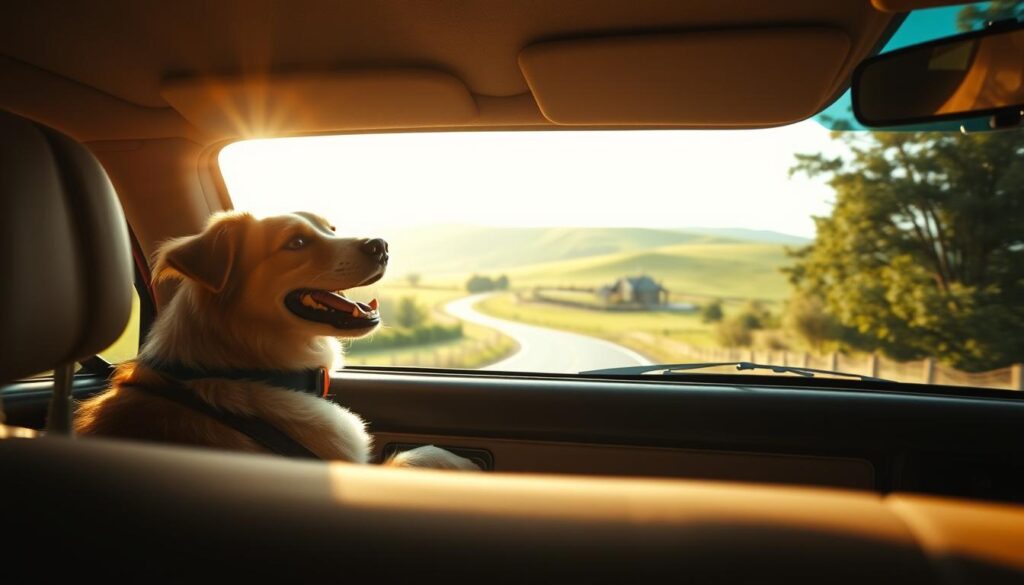
When your dog is okay with short trips, you can make them longer. Start by adding a few minutes every few days. Watch how your dog feels and adjust as needed. The goal is to help your dog get used to longer car rides without stress.
| Trip Duration | Destination Suggestions |
|---|---|
| 5-10 minutes | Local park, around the block |
| 15-30 minutes | Nearby pet-friendly areas, short drives in the countryside |
| 30+ minutes | Longer drives to favorite destinations, road trips |
Choosing Rewarding Destinations
Picking rewarding destinations is important for a good car trip for your dog. Choose places your dog loves, like parks, pet-friendly beaches, or hiking trails. The fun of going to a favorite place can help your dog feel better about car travel.
By planning your trips and destinations well, you can make car travel a positive thing for your dog. This makes future trips more fun for both of you.
Addressing Motion Sickness in Dogs
Many dogs find car rides very upsetting, leading to motion sickness. This can be really tough for both the dog and the owner. So, it’s key to find ways to help them feel better.
Recognizing Symptoms of Car Sickness
It’s important to know the signs of motion sickness in dogs. Look out for drooling, vomiting, feeling tired, and being restless. If your dog shows these signs while in the car, they might be sick.
Natural Remedies and Medications
There are natural ways and medicines to help dogs with motion sickness. Ginger-based products and pheromone diffusers are good options. Sometimes, vets might give maropitant or ondansetron to help with bad cases.
Feeding Schedules for Travel Days
Changing your dog’s eating schedule on travel days can help. Try giving a light meal or skipping food a few hours before you leave. Having an empty stomach or a light meal can lessen the chance of car sickness.
By knowing the signs, trying natural remedies and medicines, and adjusting their food, you can make car rides better for your dog.
Safety Measures for Dog Car Travel
As a responsible dog owner, keeping your pet safe in the car is key. There are several important steps to take. These steps can greatly improve your dog’s comfort and safety during car rides.
Proper Restraint Options
Choosing the right restraint is crucial for your dog’s safety. Dog car restraint options include harnesses, crates, and barriers. Harnesses keep your dog from moving around and getting hurt. Crates offer a safe area and can be tied down. Barriers keep your dog away from the front seats, helping the driver stay focused.
- Harnesses: Secure your dog to the car seat.
- Crates: Provide a safe, enclosed space.
- Barriers: Separate your dog from the front seats.
Temperature Control in Vehicles
Keeping the car at a comfortable temperature is vital. Dogs can get heatstroke quickly. Never leave your dog in a parked car, and never think a cracked window is enough to cool it down.
| Temperature Risk | Precaution |
|---|---|
| High Temperatures | Never leave your dog alone in a parked car. |
| Low Temperatures | Use a dog coat or adjust the heating. |
Emergency Preparedness for Road Trips
Road trip emergency preparedness is a must. Keep a first-aid kit for your dog and know basic first aid. Also, have a plan for emergencies. This includes having your vet’s contact info and knowing where animal hospitals are along your route.
By following these safety tips, you can make car travel safer and more enjoyable for your dog.
Troubleshooting Common Challenges
Even with the best preparation, some dogs still show anxiety or tough behaviors in cars. It’s key to know how to tackle these problems for a calm trip.
Dealing with Persistent Anxiety
For dogs with ongoing anxiety in cars, patience and steady effort are crucial. Gradual exposure to the car and travel can ease anxiety. Calming aids like pheromone diffusers or treats can also help.
| Method | Description | Benefits |
|---|---|---|
| Gradual Exposure | Gradually introduce your dog to the car and travel | Reduces anxiety by familiarizing your dog with travel |
| Calming Aids | Use pheromone diffusers or calming treats | Provides immediate relief from anxiety |
Managing Excessive Barking or Whining
Excessive barking or whining in cars can be managed. First, figure out why your dog is acting this way. If it’s due to anxiety, desensitization techniques can help. Also, make sure your dog feels safe and comfy.
When to Consult a Professional Trainer or Veterinarian
If your dog’s anxiety or tough behaviors don’t get better, seek help from a pro. A trainer or vet can offer tailored advice and suggest more ways to help your dog relax in the car.
Understanding and fixing the reasons for your dog’s anxiety or tough behaviors can make car trips better for both you and your dog.
Tips for Long-Distance Travel with Your Dog
Traveling with your dog needs careful planning to keep them comfortable and safe. Long car trips can be tough for dogs, but with the right steps, you can make it fun for both of you.
Planning Rest Stops and Exercise Breaks
Regular stops are key for your dog’s health and comfort on long car rides. Stop every few hours to let your dog stretch, exercise, and go to the bathroom. Pick dog-friendly parks or rest areas where they can run around.
At these stops, give your dog water and let them move around. This helps prevent discomfort and lowers the chance of motion sickness.
| Stop Type | Frequency | Activities |
|---|---|---|
| Rest Stop | Every 2-3 hours | Stretch, Exercise, Relieve |
| Meal Break | Every 4-6 hours | Feed, Hydrate |
Overnight Accommodations for Dog-Friendly Road Trips
When planning overnight stays, pick places that welcome dogs. Many hotels, motels, and vacation rentals now allow pets, offering special amenities for them.
“Pet-friendly hotels often provide more than just a welcoming attitude towards dogs; they offer services like dog walking and pet-sitting, making your trip less stressful.”
Always check the pet policy of your chosen place before your stay to ensure a smooth visit.
Maintaining Routines While Traveling
Keeping your dog’s regular routine can give them a sense of stability and normalcy while traveling. Stick to their usual eating times and try to include familiar activities or exercise.
Being consistent with your dog’s daily routine can help reduce travel stress and make the trip more enjoyable for both of you.
Conclusion: Enjoying Adventures Together
By following the steps in this article, you can make your dog more comfortable in cars. This lets you enjoy car rides with your dog, whether it’s a quick trip to the park or a long road trip.
Going on dog-friendly adventures will make your bond with your dog stronger. You’ll create memories that last a lifetime. With patience and consistency, your dog will learn to love car rides. This way, you can explore new places together.
These moments will make your relationship with your dog better and bring joy. So, get your car ready, grab your dog’s favorite toys, and start your car travel adventure with your loyal friend.